Flat roofs are a practical and increasingly popular roofing option for homes, extensions, garages, and commercial buildings. Although they appear level, they are actually carefully designed with a slight slope to allow effective drainage and weather protection.
Understanding how flat roofs work, the materials used, and their advantages can help you decide whether this roofing style is right for your property. This guide explains the key features of flat roofs, the common types available, and what should be considered when installing, repairing, or replacing one.
Key Takeaways
- A flat roof has a very low pitch and relies on waterproof membranes and proper drainage to protect the building.
- Types of flat roofs exist, including warm roofs, cold roofs, and inverted roofs, each designed for different structural needs.
- Common materials include felt, EPDM rubber, fibreglass, and asphalt, all offering different levels of durability and performance.
- Regular maintenance and timely repairs are essential to maximise lifespan and prevent leaks or structural damage.
What is a Flat Roof?
A flat roof is a roofing structure with a very low pitch. Unlike traditional pitched roofs, which have a steep slope, flat roofs are usually designed with a gradient of around one to ten degrees. This small incline allows water to drain towards outlets, gutters, or internal drainage systems while maintaining the appearance of a flat surface.
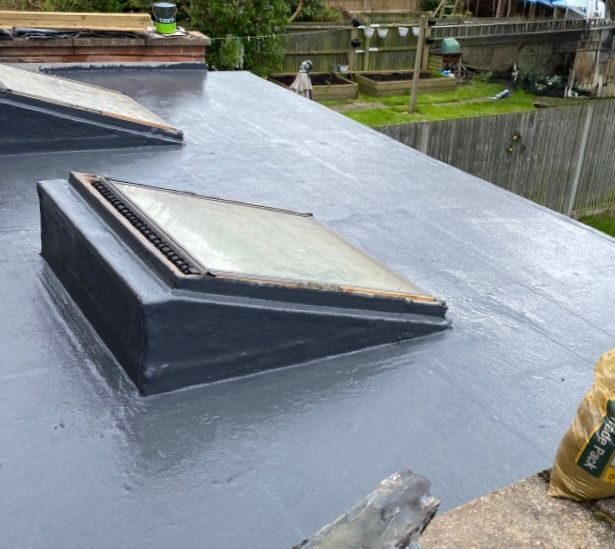
Flat roofs are widely used in modern construction and property extensions because they provide a streamlined look and can be easier to build on structures with limited space. They also allow for easier access for maintenance and inspections compared with steep roofs.
To protect the building below, flat roofs are constructed with multiple layers, including a structural deck, insulation, and a waterproof membrane. These layers work together to prevent moisture from entering the building while supporting the roof structure.
Types of Flat Roofs
Warm Flat Roof
A warm flat roof places the insulation above the structural roof deck and directly beneath the waterproof membrane. This design helps keep the structure warm and reduces the risk of condensation forming within the roof.
Warm roof systems are widely used in modern construction because they improve energy efficiency and offer better thermal performance.
Cold Flat Roof
In a cold flat roof system, the insulation is installed below the roof deck, usually between ceiling joists. This leaves the roof deck exposed to external temperatures.
While this design was once common, it requires good ventilation to prevent moisture buildup. Without proper airflow, condensation may form within the structure.
Inverted Flat Roof
An inverted flat roof places the insulation above the waterproof membrane rather than beneath it. This helps protect the membrane from temperature changes and weather exposure.
This design is often used where the roof surface may experience regular foot traffic or where additional protection of the waterproof layer is required.
How Does a Flat Roof Work?
Flat roofs function through a layered system designed to provide both strength and waterproof protection. The base layer is the roof deck, which forms the structural support for the entire roofing system.
Insulation is then installed depending on the roof design. The most important layer is the waterproof membrane, which prevents rainwater from penetrating the building. This membrane creates a sealed barrier that protects the structure from moisture damage.
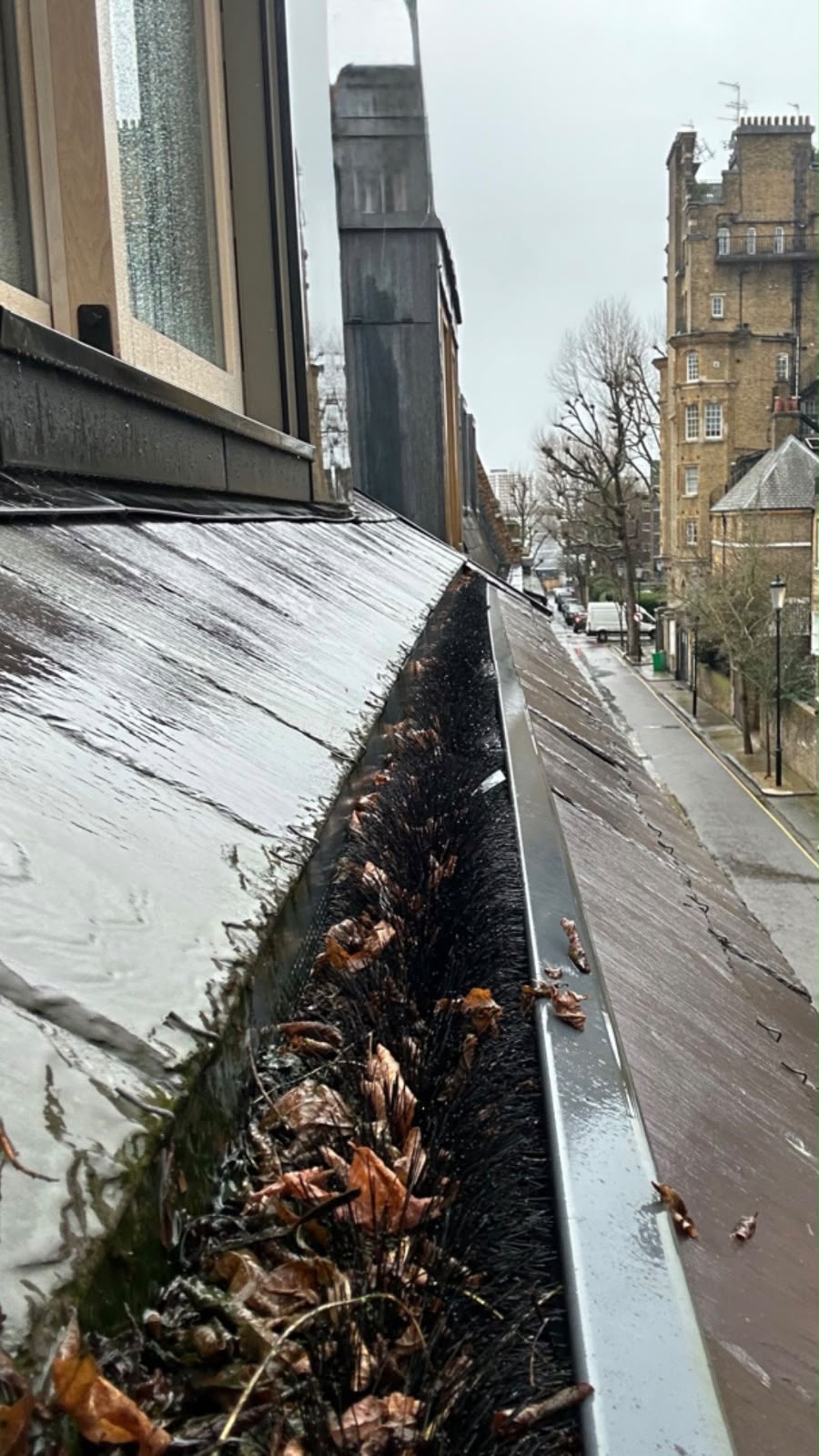
Although the roof appears flat, it includes a subtle slope that directs rainwater towards drainage outlets. Proper drainage is essential because it prevents water from pooling on the surface, which could eventually cause deterioration of the roofing material.
Regular inspections and maintenance help ensure the drainage system remains clear, and the waterproof membrane stays in good condition.
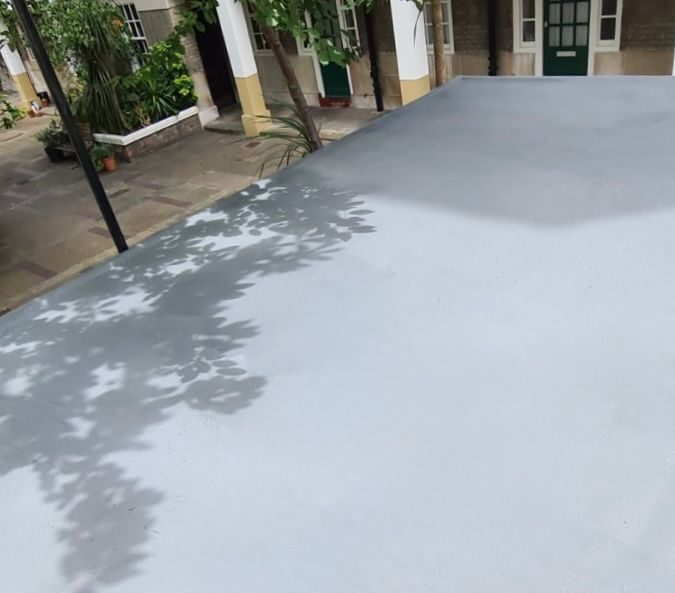
Materials Used for Flat Roofing
Felt Roofing
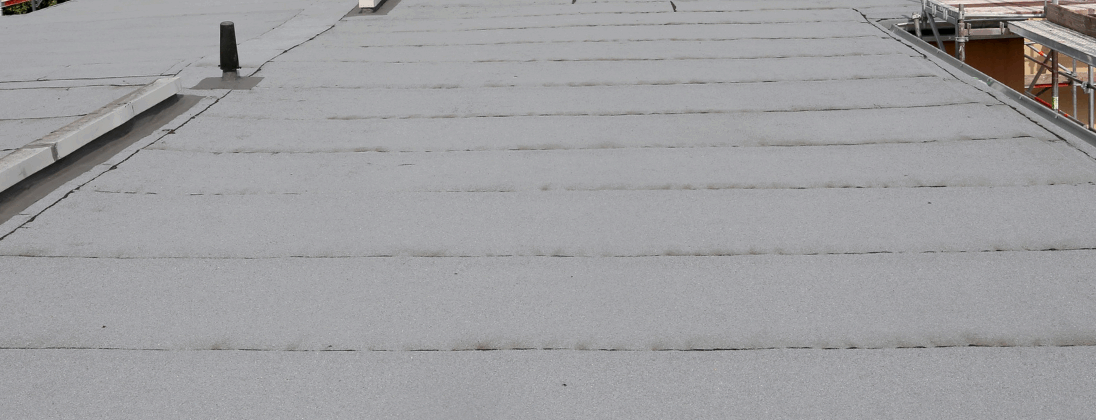
Felt roofing is one of the most traditional flat roofing materials. It consists of layers of bitumen-based sheets that are applied and sealed together to create a waterproof surface. Felt roofs are widely used because they are relatively affordable and suitable for many smaller structures.
EPDM Rubber Roofing
EPDM is a synthetic rubber membrane commonly used in flat roofing. It is known for its flexibility and resistance to weather conditions, including strong sunlight and temperature changes. EPDM systems can last for decades when installed correctly.
GRP Fibreglass Roofing
GRP, or glass reinforced plastic, is a modern roofing system that creates a seamless waterproof layer. It is applied as a liquid resin combined with fibreglass matting and then cured to form a strong, durable surface.
Asphalt Roofing
Asphalt roofing systems involve the application of hot liquid asphalt combined with reinforcing materials. Once cooled, the material forms a tough and waterproof protective layer that is highly resistant to weathering.
Key Benefits & Challenges of Flat Roofing
| Benefits | Challenges to Be Aware Of |
|---|---|
| Cost-effective installation: Flat roofs often require fewer materials and less labour compared with pitched roofs. | Drainage management: Poor drainage or blocked outlets can lead to water pooling on the roof surface. |
| Quicker construction time: The simpler structure allows installation to be completed faster. | Weather exposure: Flat roofs can experience more direct exposure to rain and temperature changes. |
| Easier maintenance access: The low slope makes it easier and safer to inspect and repair the roof. | Potential membrane wear: Over time, the waterproof layer may develop cracks or blisters if not maintained. |
| Versatile roof space: Flat roofs can support additional features such as solar panels, roof terraces, or equipment units. | Shorter lifespan for some materials: Certain flat roofing systems may not last as long as traditional pitched roofs. |
| Modern appearance: Many contemporary homes and extensions use flat roofs for their clean, minimalist design. |
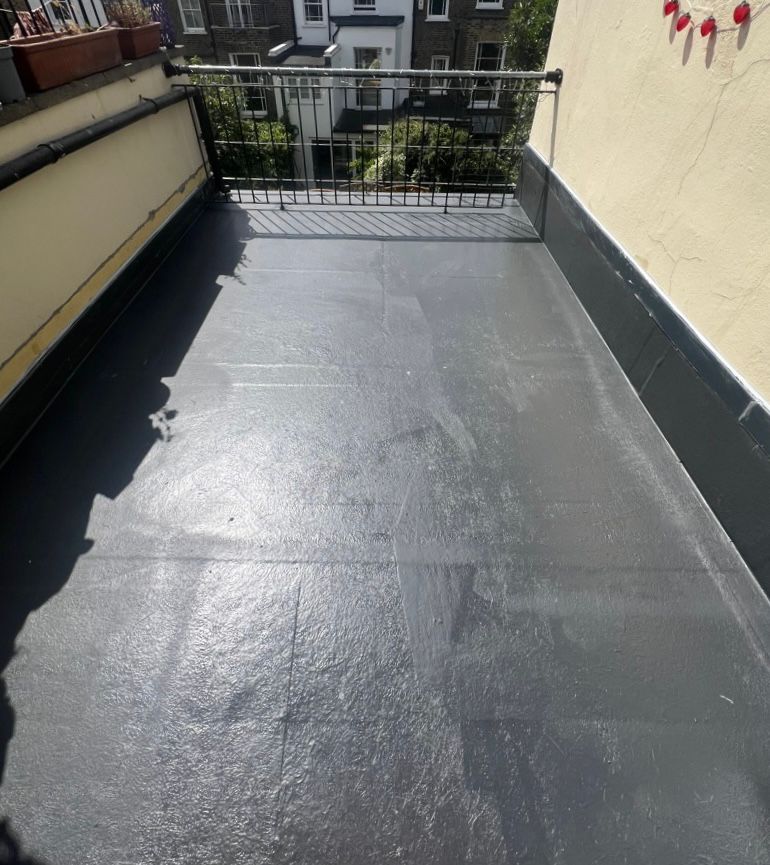
How Long Does a Flat Roof Last?
The lifespan of a flat roof depends largely on the materials used and the quality of installation. Different systems offer different levels of durability.
Felt roofing systems often last between fifteen and twenty years with proper maintenance. EPDM rubber roofs can last around twenty to thirty years, while fibreglass roofing systems may last even longer if they are well-installed and maintained.
Environmental conditions, drainage performance, and regular inspections all influence how long a flat roof will last. Prompt repairs and routine maintenance can significantly extend its lifespan.
When Should You Repair or Replace a Flat Roof?
Flat roofs should be inspected regularly so that potential problems can be identified early. One of the most obvious signs of damage is water leaking into the building, often visible as damp patches on ceilings or walls.
Other warning signs include cracks in the roofing membrane, blistering or bubbling on the surface, and standing water that remains on the roof long after rainfall. These issues may indicate that the waterproof layer is beginning to fail.
Minor damage can often be repaired quickly by a professional roofer. However, if the roof has reached the end of its lifespan or the damage is extensive, replacing the roofing system may be the most effective long-term solution.
Flat Roof Installation across London: Sam’s Gutters
If you are looking for flat roof installation in London, choosing experienced professionals ensures your roof is built to last and properly protected from the elements.
Sam’s Gutters & Roofs specialises in high-quality flat roofing services, from expert repairs to full installations, tailored to meet the needs of homes and businesses across London and the surrounding areas.
We provide expert flat roof repairs for all types of materials, including felt, asphalt, and lead, ensuring your flat roof is watertight and built to last. We also offer professional flat roof installations, delivering durable, high-performance roofing solutions tailored to your property’s needs. Whether you are repairing damage or fitting a brand new roof, our skilled team guarantees quality workmanship and long-lasting results.
Why choose Sam’s Gutters & Roofs?
- SafeContractor accredited
- Fully insured roofing specialists
- Free roof inspection with every full gutter clear
- Free estimates with no obligation
- Skilled workmanship and long-lasting roofing solutions
Contact our team today to discuss your flat roofing needs and receive professional advice on the best solution for your property.