Gutters play a vital role in protecting our properties, but they’re often out of sight and out of mind until something goes wrong. What starts as a minor issue can quickly develop into a much bigger and more expensive problem if left unchecked.
In this guide, we explore common gutter problems and how to solve them, consider how often they should be inspected, and explain why Sam’s Gutters is a trusted choice for keeping drainage systems in optimal condition across London and the South East.
Key Takeaways
- Common gutter problems include blockages, leaks, sagging sections, poor installation, and weather-related issues such as corrosion and freezing.
- Gutters should ideally be inspected at least twice a year, typically in Spring and Autumn, with more frequent checks for properties surrounded by trees or exposed to heavy rainfall.
- Sam’s Gutters is a trusted provider of professional gutter maintenance, repairs, and inspections in London and the South East, helping property owners keep their drainage systems in great condition and prevent costly damage.
9 Common Gutter Problems and How to Solve Them
Guttering can be affected by a range of issues, many of which develop gradually over time.
Below, we outline 9 of the most common gutter problems and how to solve them, helping you identify potential issues early and take proactive steps to address them.
1. Blocked Guttering
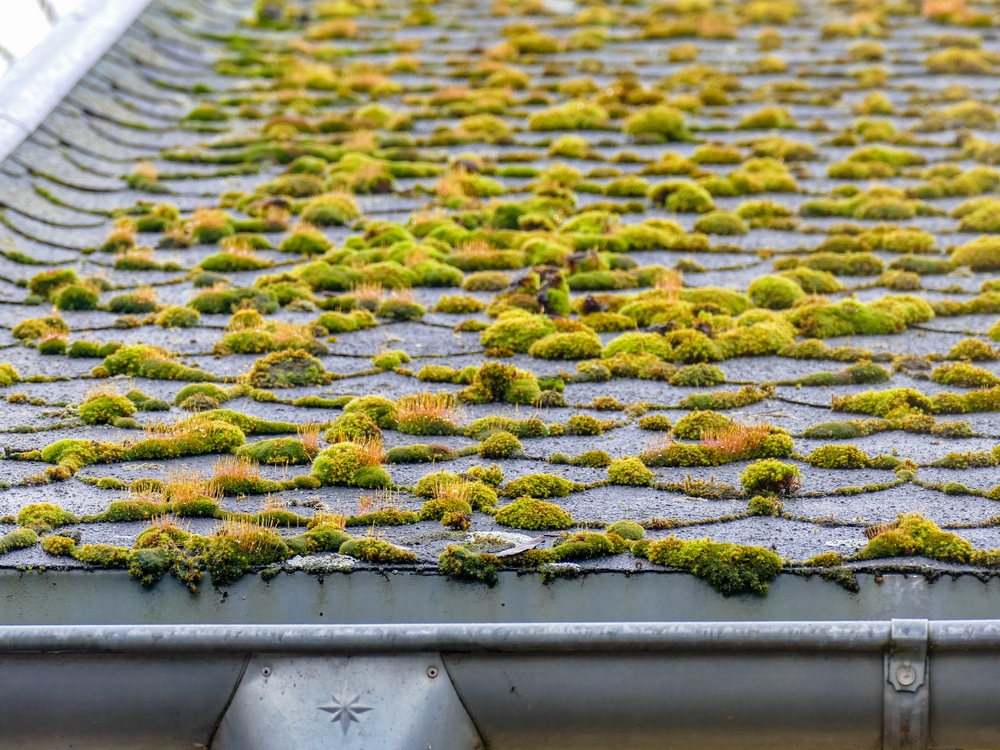
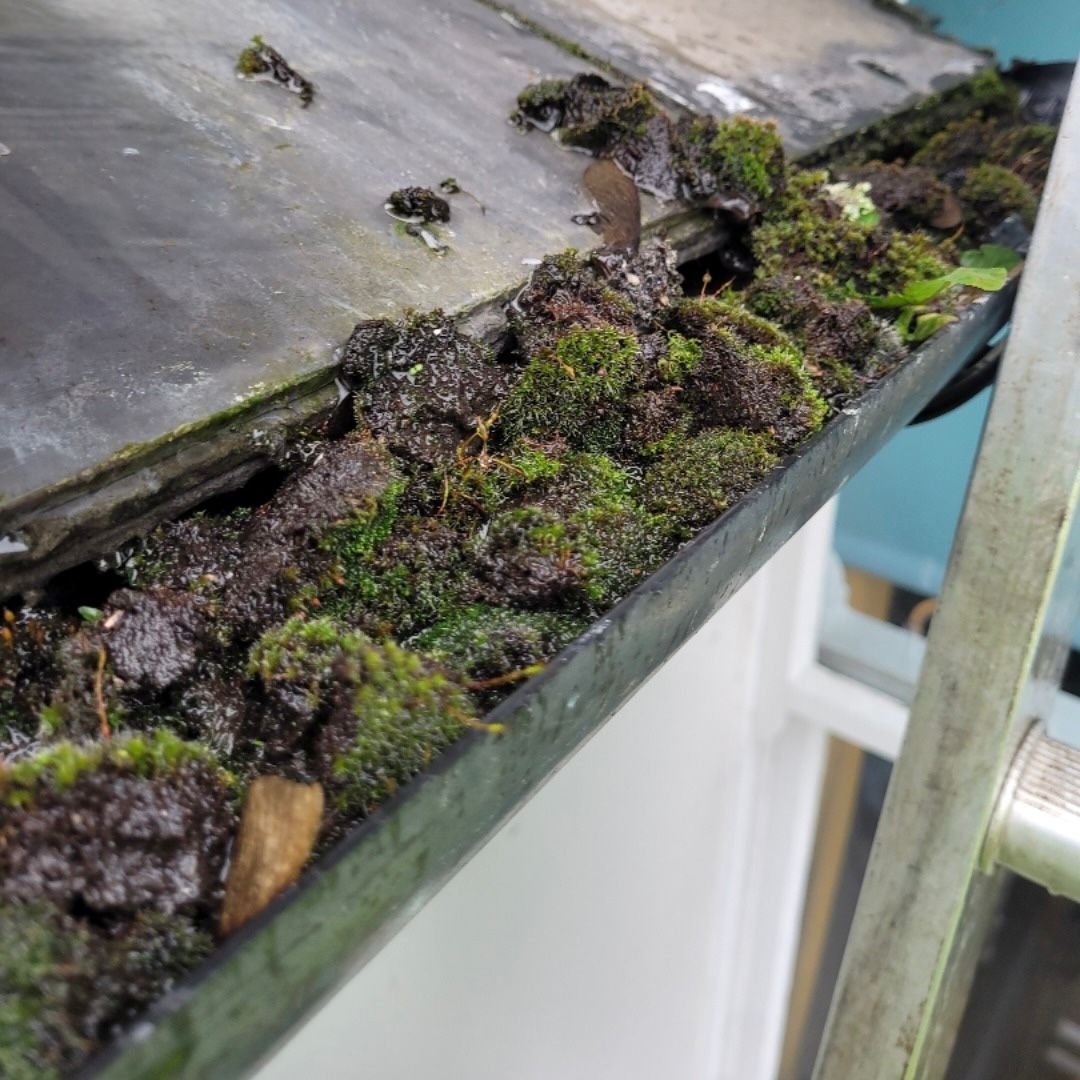
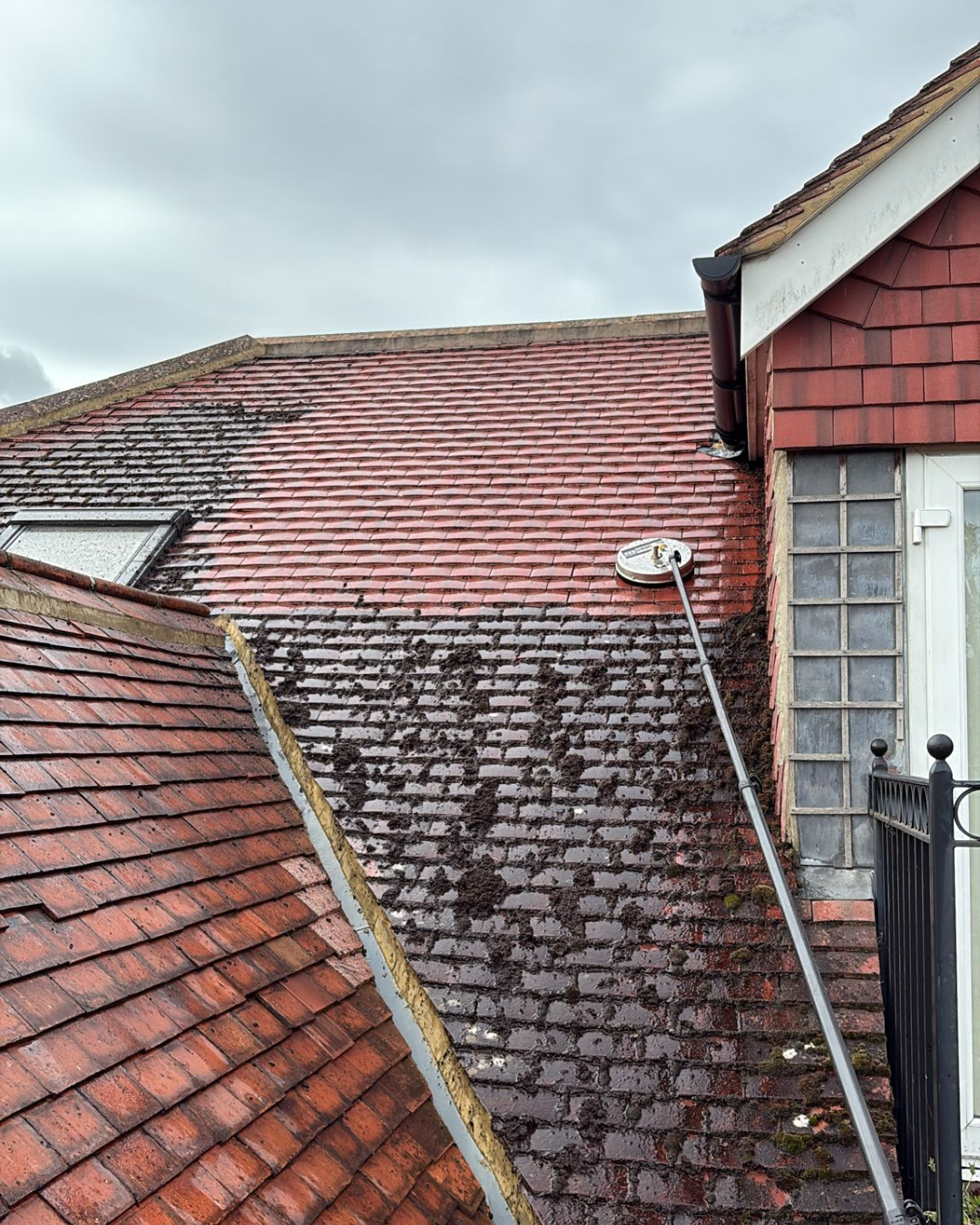
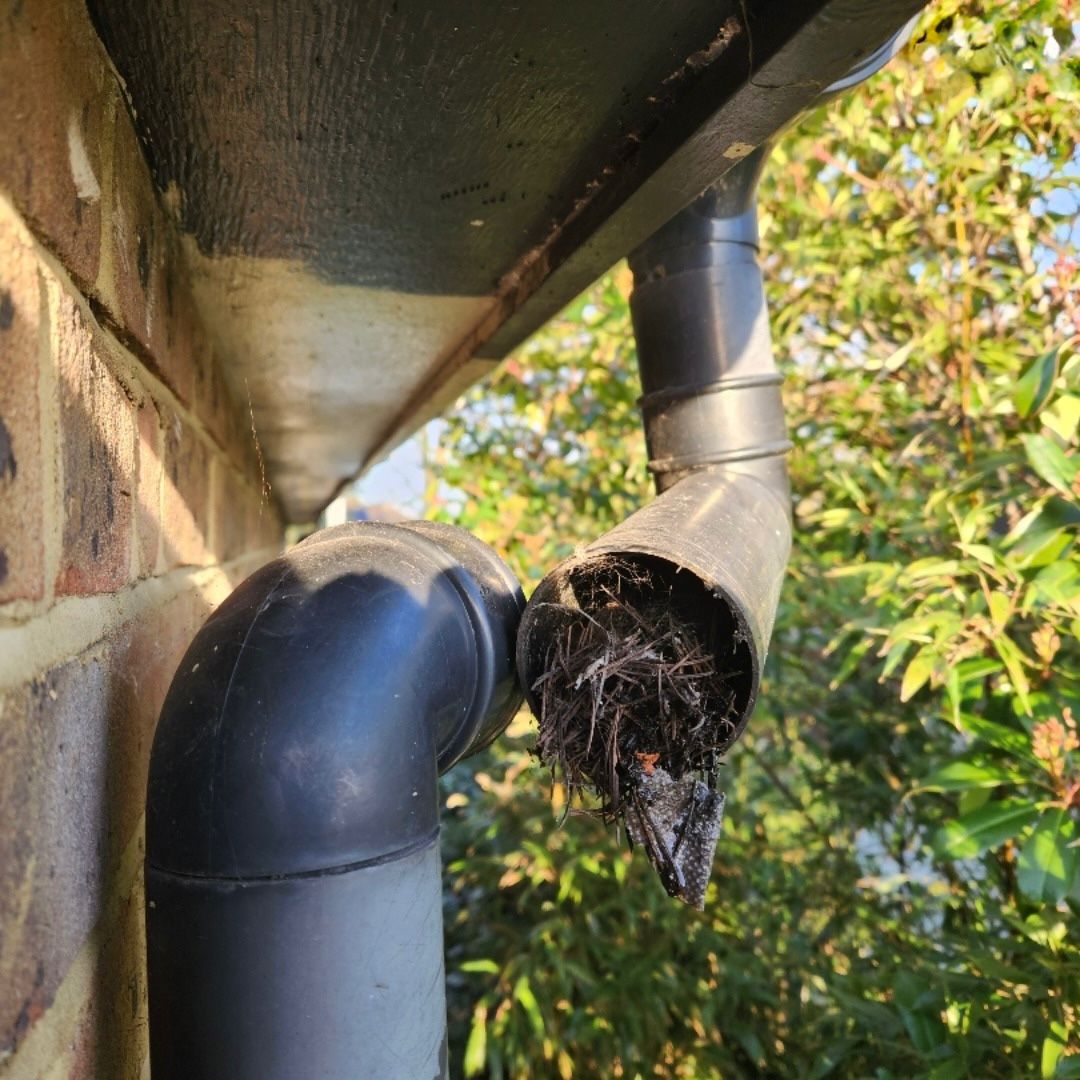
Blocked guttering is one of the most common issues property owners face, usually caused by a build-up of leaves, moss, and other debris. This prevents rainwater from flowing properly through the system, often leading to overflow. It can also create conditions that attract pests such as insects or nesting birds. If left unchecked, clogged gutters can cause water to run down walls, increasing the risk of damp and damage to the property’s exterior.
Solution: Gutters should be cleared regularly to remove any debris and restore proper water flow. This can be done using gloves and a small scoop or trowel, followed by flushing the system with water to ensure everything is running freely. Installing gutter guards can also help reduce the amount of debris that collects over time.
2. Plants Growing in Gutters
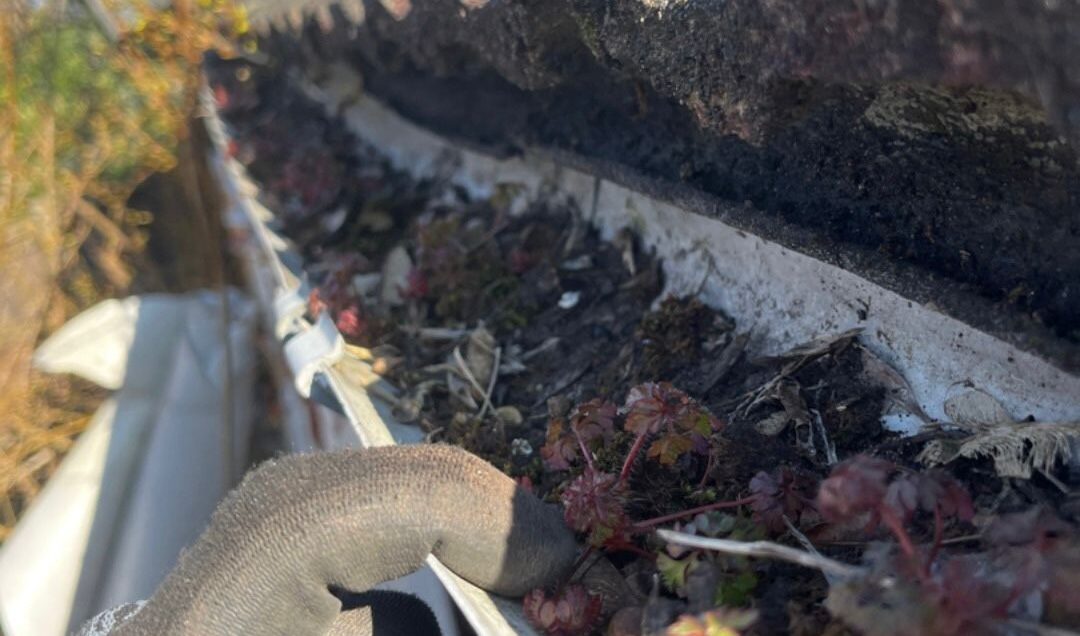
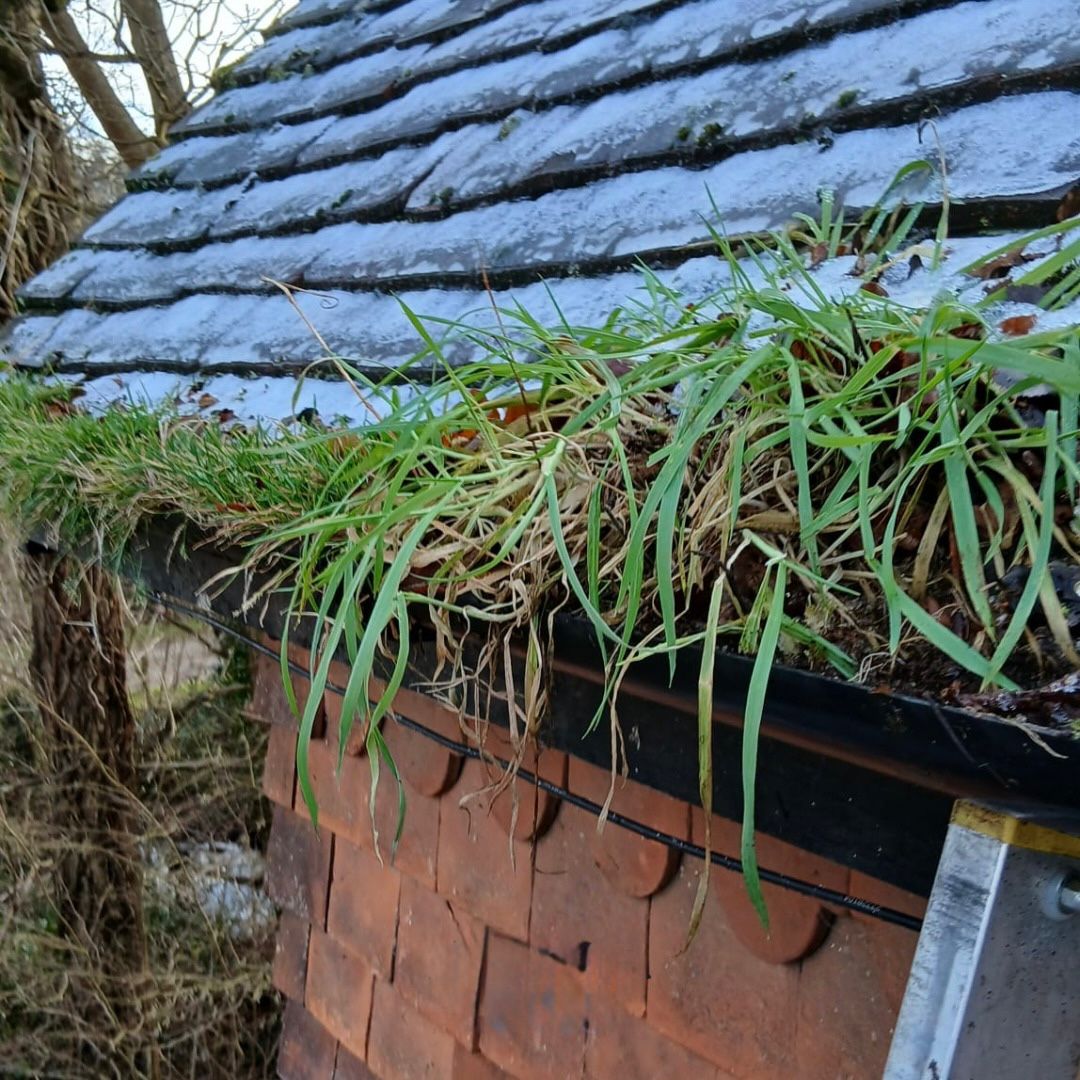
Plants can begin to grow in gutters when debris, dirt, and moisture build up gradually, creating the right conditions for seeds to take root. While this can contribute to blockages (as mentioned above), it also presents a separate issue in its own right, as established growth can attract wildlife, such as birds, squirrels, and rodents, and add unnecessary weight to the guttering system.
Solution: Any plant growth should be carefully removed by hand, ensuring roots are fully extracted rather than just cut back. Once cleared, remaining debris should be scooped out to eliminate the conditions that allow regrowth. In some cases, applying a preventative treatment or ensuring nearby overhanging vegetation is trimmed back can also help reduce the likelihood of plants re-establishing.
3. Damaged or Leaking Gutters and Downpipes
Gutters and downpipes can become damaged due to general wear and tear, severe weather, or accidental impact. This can lead to cracks, splits, or holes in the system, often resulting in leaks where water escapes before it reaches the downpipe. Left unaddressed, this can contribute to damp issues and cause further deterioration of surrounding materials.
Solution: Small cracks or holes can sometimes be sealed using a suitable waterproof gutter sealant after the area has been cleaned and dried. Loose joints may also be re-secured if they have shifted over time. However, if the damage is more extensive or sections are significantly worn, replacing the affected parts is often the most effective way to restore proper function.
4. Sagging Gutters
Sagging gutters occur when sections of the system begin to pull away from their original alignment, often due to the weight of debris, standing water, or weakened fixings over time. This can disrupt the natural flow of rainwater towards the downpipes, increasing the likelihood of overflow and uneven drainage along the gutter run.
Solution: The first step is to clear any debris and standing water to reduce excess weight. From there, check the brackets and fixings along the affected section, tightening or replacing any that have become loose or damaged. If a section has dropped significantly, it may need to be repositioned or re-secured to restore the correct alignment and ensure proper water flow.
5. Incorrect Downpipe Positioning
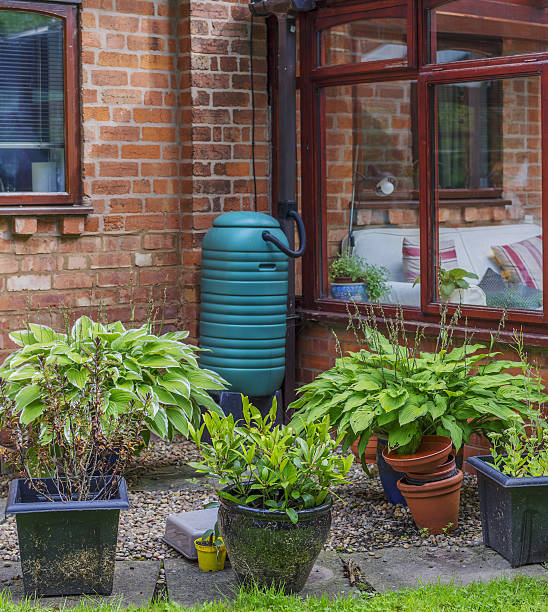
Incorrectly positioned downpipes can prevent rainwater from being carried away efficiently, even when the guttering itself is in good condition. If a downpipe is misaligned or improperly connected to the outlet, water can back up and overflow, straining the system and directing flow into areas not designed to handle it. Eventually, this can contribute to erosion and potential foundation issues.
Solution: Check that the downpipe is securely attached and correctly aligned with the gutter outlet so that water flows directly into it without obstruction. Clear any visible clogs using a garden hose to flush through the pipe or a suitable drain rod or plumber’s snake if access allows. Ensure all sections are properly connected and re-secure any loose fittings to restore efficient drainage away from the property.
6. Incorrect Gutter Gradient
An incorrect gutter gradient occurs when the horizontal guttering run is not installed with a sufficient slope towards the downpipe. Without this slight fall, rainwater cannot flow smoothly along the gutter and will begin to pool in low sections instead of draining away as intended. This standing water can eventually place unnecessary strain on the system and contribute to leaks, overflow, and general wear.
Did You Know? A correctly installed gutter should have a very slight fall towards the outlet, typically around a 1:350 gradient (approximately 10mm drop for every 3-4 metres), allowing rainwater to flow naturally through the system.
Solution: Inspect the guttering to identify any areas where water is collecting rather than moving towards the downpipe. In some cases, the gutter brackets can be adjusted to restore the correct slope so that water flows in the right direction. Removing any standing debris and ensuring all sections are securely fixed can also help improve overall drainage performance.
7. Insufficient Guttering
Not all guttering systems are designed to cope with the demands of a property, and problems can arise when the system is undersized or poorly specified. This can include undersized gutters, poorly installed sections, or systems that simply are not designed to cope with typical UK weather conditions. As a result, water may overflow during periods of heavy rain, even if the gutters are relatively clear, placing the property at risk of damp and exterior damage.
Solution: Check whether the guttering is consistently overflowing during rainfall, as this is often a sign that the system is undersized or poorly configured. In some cases, improving the pitch or clearing obstructions can help, but if the system is fundamentally too small or incorrectly installed, upgrading to a larger capacity or more suitable profile is usually the most effective long-term fix.
8. Corroded or Rusted Gutters
Certain guttering systems, particularly older metal installations such as cast iron or steel, can begin to corrode or rust when regularly exposed to moisture, standing water, and changing weather conditions. As corrosion develops, it gradually weakens the guttering structure, potentially leading to leaks, holes, and reduced performance.
Solution: Inspect metal guttering for any visible signs of rust, flaking, or deterioration. Light surface rust can sometimes be treated by cleaning the affected area and applying a rust-resistant coating or sealant. Where corrosion is more advanced, replacing the affected sections is usually the best way to restore proper function and prevent further deterioration.
9. Frozen Gutters and Ice Build-Up
In colder weather, water that cannot drain properly from the guttering can freeze, forming ice within the system. This is more likely where there are existing blockages, poor drainage, or standing water. As ice expands, it can place significant pressure on the guttering, leading to distortion, cracks, or sections pulling away from the fascia boards.
Also read: What are Fascias and Soffits?
Solution: Ensure gutters are cleared of debris before winter to allow rainwater and meltwater to drain freely. Where safe, remove visible ice build-up to reduce pressure on the system, but avoid attempting to break ice away forcefully as this can cause damage. Improving insulation in the loft can also help reduce uneven roof temperatures that contribute to thawing and refreezing at the gutter line.
To learn more, discover our practical tips to protect your gutters for Winter.
| Problem | Solution |
|---|---|
| Blocked guttering |
|
| Plants growing in gutters |
|
| Damaged or leaking gutters and downpipes |
|
| Sagging gutters |
|
| Incorrect downpipe positioning |
|
| Incorrect gutter gradient |
|
| Insufficient guttering |
|
| Corroded or rusted gutters |
|
| Frozen gutters and ice build-up |
|
How Often Should You Inspect Your Gutters?
As a general rule of thumb, gutters should be inspected at least twice a year, typically in Spring and Autumn, to ensure they are free from debris and working effectively. However, properties surrounded by trees or exposed to heavy rainfall may benefit from more frequent checks, particularly after periods of bad weather.
Also read: How Often You Should Clean Your Gutters in the UK? and Why is Regular Gutter Clearing Important?
While regular visual inspections and basic maintenance can be carried out by homeowners, arranging a professional service ensures a more thorough assessment of the system, helping to identify and resolve issues before they develop into more serious problems.
Protect Your Property With Expert Gutter Services
Sam’s Gutters provides trusted, professional gutter cleaning in London, helping homeowners and businesses keep their gutter systems clear, efficient, and fully functional year-round. With extensive experience in gutter maintenance, repairs, and inspections, the team focuses on preventing issues before they lead to costly damage to your property.
From routine maintenance to more complex guttering problems, Sam’s Gutters delivers a reliable, safety-focused service tailored to each property’s needs.
If you’re looking for dependable gutter services in London, contact the Sam’s Gutters team today for expert advice and a competitive, no-obligation quote.