
Every time it rains, water runs off your roof and into your guttering system. But what if you could put some of that rainfall to good use instead of letting it drain away?
Rainwater collection offers a practical way to make better use of the water that falls on your property, and a water butt is one of the simplest solutions. These systems can be useful for properties of all sizes, provided there’s a suitable setup for collecting and storing the rainwater.
In this guide, we explore how water butts work, what affects the amount of rainwater you can collect, and how to keep your system working efficiently.
Key Takeaways
- A water butt collects rainwater from your roof through the gutters and downpipe, with a diverter directing water into a storage tank where it can be accessed through a tap when needed.
- To keep your rainwater collection system working efficiently throughout the year, clear gutters regularly, check downpipes, diverters, and connections for blockages or leaks, keep the overflow clear, clean the tank as recommended by the manufacturer, and check the lid and tap.
- Sam’s Gutters & Roofs provides professional water butt installation across London for residential and commercial properties, backed by more than 15 years of experience in guttering and roofing.
How Does a Water Butt Work?
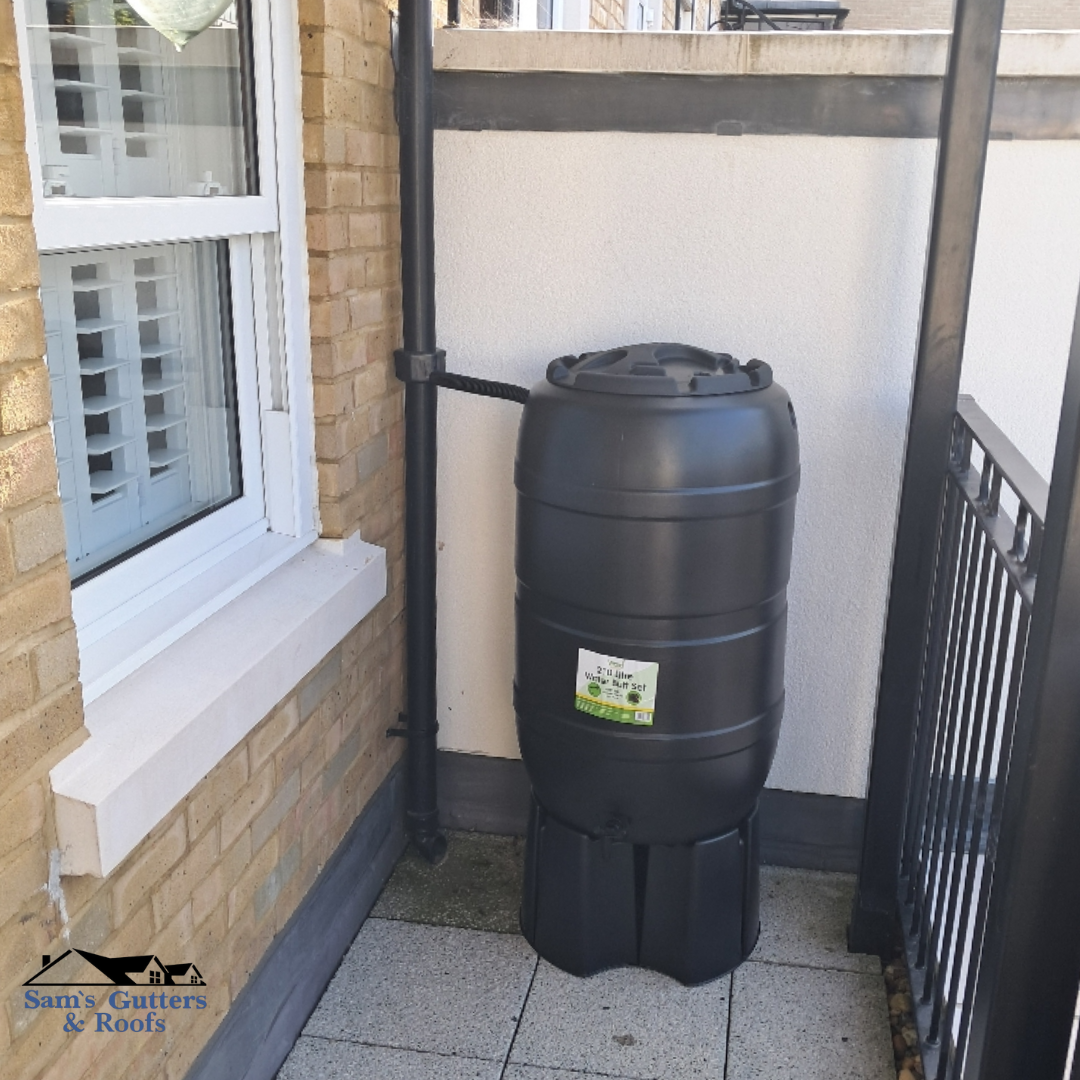
Water butts use your property’s existing guttering to collect and store rainwater. The process involves a few simple components, each playing a role in getting the water from your roof into the tank.
| Step | The Process |
|---|---|
| 1 | Rain falls onto your roof and runs into the gutters along its edges. |
| 2 | The gutters channel rainwater towards a downpipe, which would normally carry it towards the drainage system. |
| 3 | A compatible diverter fitted to the downpipe directs some of the rainwater into the water butt through an inlet. |
| 4 | The tank stores the collected rainwater until it’s needed. The amount it holds depends on its capacity and how much rainfall is collected. |
| 5 | A tap near the base of the water butt allows you to fill a watering can or connect a suitable hose to access the stored water. |
What Happens When a Water Butt Is Full?
Once a water butt reaches capacity, rainwater still needs somewhere to go. Without a suitable overflow arrangement, excess water can spill over the top of the tank, potentially leaving water pooling around its base.
Most water butt diverters are designed to manage this by directing excess rainwater back into the downpipe once the tank is full. The water can then continue towards the property’s existing drainage system, rather than overflowing from the tank. The precise mechanism depends on the type of diverter installed.
This is particularly important during prolonged or heavy rainfall, when a water butt can fill quickly. An effective overflow arrangement helps manage excess water, but it doesn’t replace the need for well-maintained gutters and downpipes. These must still be clear and in good condition to carry rainwater away from your property effectively.
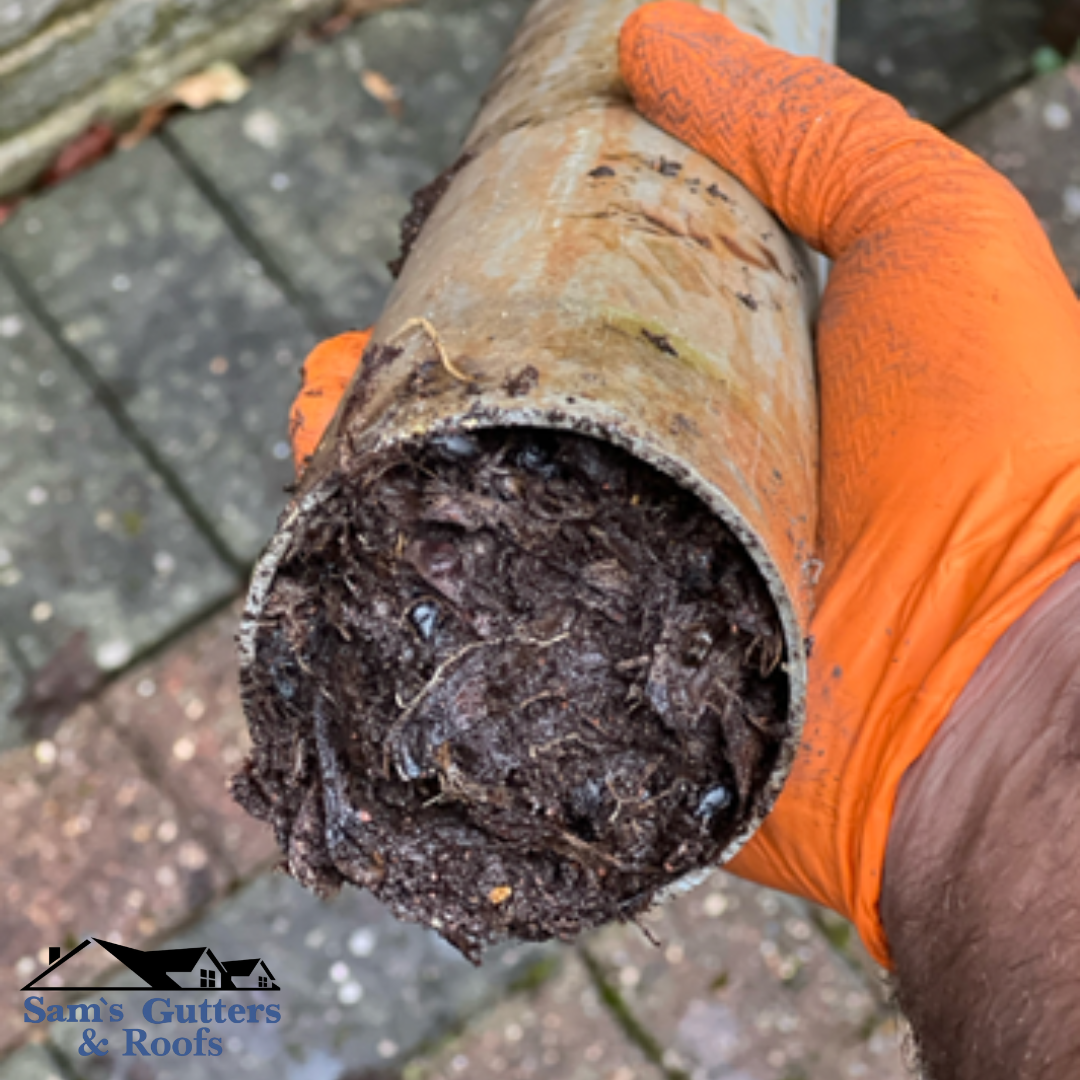
Did You Know? Sam’s Gutters & Roofs provides professional gutter cleaning in London and downpipe unblocking services to help prevent debris build-up and keep your rainwater collection system working as it should.
How Much Rainwater Can a Water Butt Collect?
The amount of rainwater a water butt can collect depends on three main factors: the size of your roof, how much rain falls, and the capacity of your storage tank. Understanding how these work together can help you estimate how much rainwater your property could collect.
Please Note: Most standard domestic water butts hold around 100–250 litres, although larger tanks are available.
As a general rule, 1 mm of rainfall on 1 m² of roof produces approximately 1 litre of water before accounting for collection losses. This means even a relatively small amount of rainfall can generate a substantial volume of water across a roof.
For example, if 10 mm of rain falls on a roof with a collection area of 50 m², it could produce approximately 500 litres of runoff. However, this is the potential amount of water available, not necessarily the volume that will end up in your water butt.
Several factors affect how much you actually collect:
- Roof area: A larger roof generally provides more surface area from which to collect rainwater.
- Rainfall levels: Heavier or more prolonged rainfall can generate more runoff, while lighter showers produce less.
- Collection efficiency: Some water may be lost through splashing, evaporation, or other aspects of the collection system.
- Water butt capacity: Once the tank is full, it cannot store any more water until some is used.
It’s also worth remembering that the amount collected over time will vary with the weather and how frequently you use the stored water. Choosing a suitable tank capacity for your roof and intended use can help you make better use of the rainfall your property receives.
What Does a Water Butt Need to Work Properly?
A water butt relies on more than the storage tank itself. The guttering, downpipe connections, and surrounding setup all play a part in collecting and storing rainwater effectively.
Clear and Functional Gutters
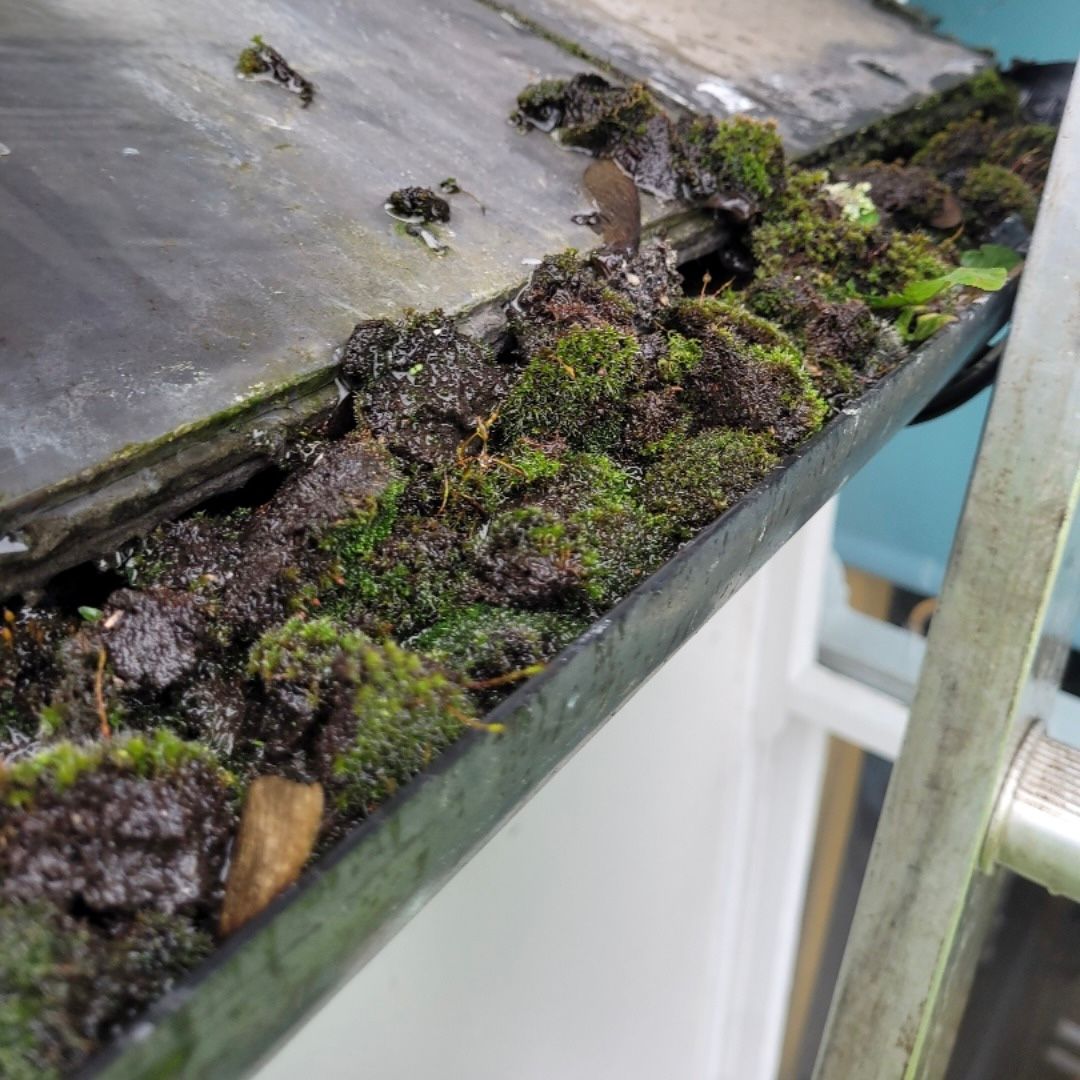
Gutters need to collect rainfall from the roof and channel it towards the downpipe. Leaves and other debris can obstruct the flow, reducing the amount of water reaching the tank.
A Compatible Diverter
Fitted to the downpipe, a diverter directs rainwater into the water butt. If it is incompatible or incorrectly fitted, water may leak or fail to reach the tank as intended.
A Stable and Level Base
The base must support the combined weight of the tank and its contents. As water is heavy, a full water butt needs a firm, level surface to remain stable.
A Suitable Lid or Cover
A lid helps keep leaves, insects, and other debris out of the stored water.
An Effective Overflow Arrangement
Once the tank reaches capacity, excess water needs a suitable route back into the drainage system or another appropriate outlet.
How to Keep a Rainwater Collection System Working Efficiently
Regular maintenance helps keep rainwater flowing from your roof into your water butt, rather than being obstructed by debris or lost through leaks. A few simple checks can help keep the system working effectively throughout the year.
- Clear gutters regularly: Remove leaves, moss, and other debris that could restrict the flow of rainwater from your roof.
- Check downpipes and diverters: Look for blockages that could prevent rainwater from reaching the tank as it should.
- Inspect connections for leaks or damage: Check the joints between the downpipe, diverter, and water butt for signs of wear or escaping water.
- Keep the overflow clear: Make sure excess water can drain away freely when the tank reaches capacity.
- Clean the tank periodically: Follow the manufacturer’s guidance on cleaning the inside of the water butt to help prevent sediment and debris from building up.
- Check the lid and tap: Make sure the lid fits securely, and the tap operates properly without leaking.
Also read: Guide to Water Butt Installation
Water Butt Installation From Sam’s Gutters & Roofs
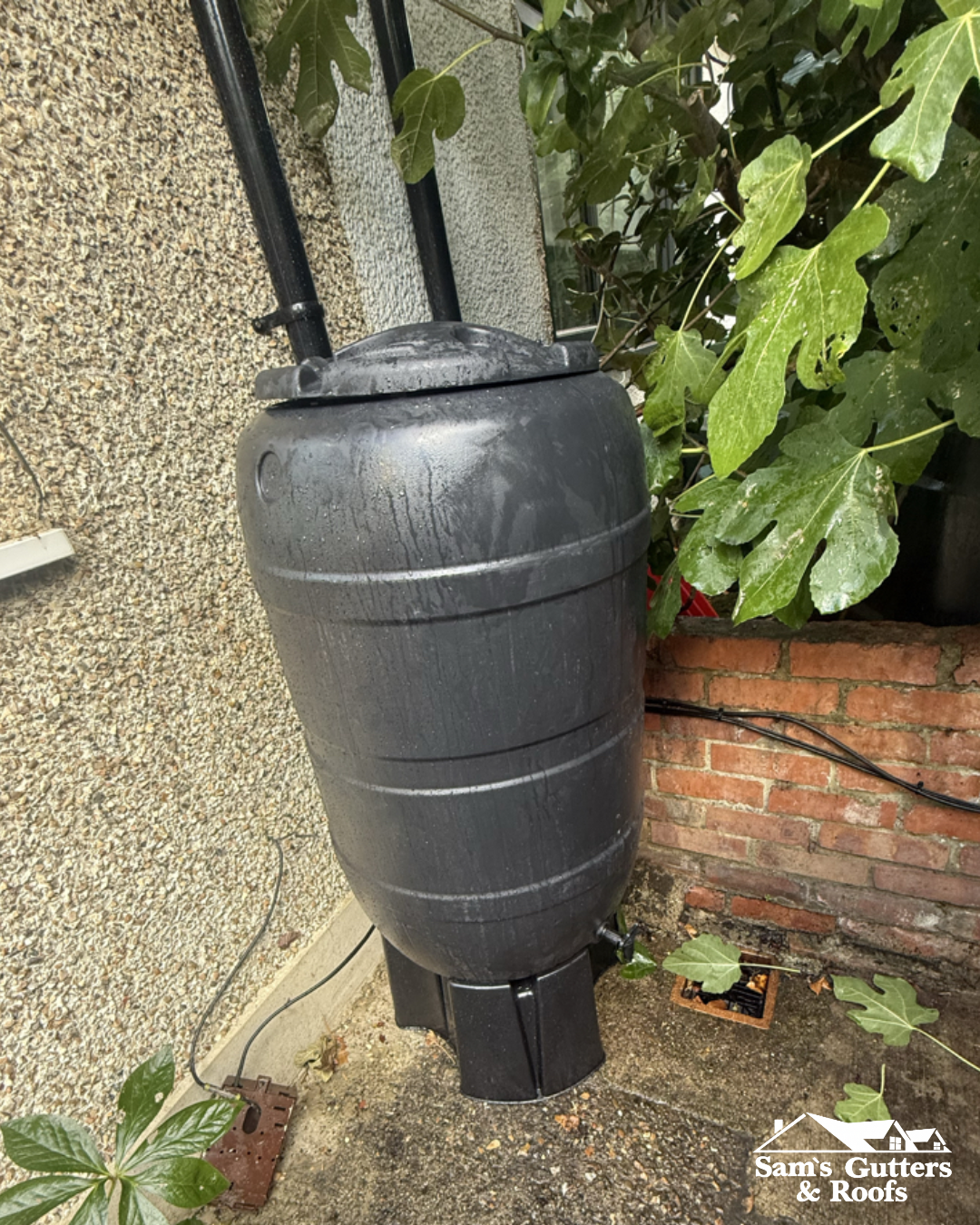
Sam’s Gutters & Roofs provides professional water butt installation across London, helping residential and commercial property owners install rainwater collection systems suited to their premises. With more than 15 years of experience in guttering and roofing, we are a highly reputable, fully qualified, and insured team with a SafeContractor accreditation.
Beyond water butt installation, Sam’s Gutters, roof and gutter services in London, also offers a range of other services, including chimney repairs, fascia and soffit replacement, flat roof installation, and roof repairs in London.
If you’re considering a water butt for your property, contact Sam’s Gutters & Roofs today for expert advice and a free, no-obligation quote.