
The lifespan of a roof depends on several factors, including the materials used, the quality of installation, and how well it has been maintained over the years. Some roofing materials can last for more than a century, while others may need replacing after just a few decades.
With over 15 years of roofing experience, Sam’s Gutters & Roofs understands what affects roof longevity and the importance of keeping your roof in good condition. In this guide, we look at how long different types of roofs last, what can shorten their lifespan, and the signs that it may be time for a replacement.
Key Takeaways
HOW LONG DOES A ROOF LAST?
- 1
Most pitched roofs last between 40 and 80 years, although the exact lifespan depends on the roofing material, installation quality, and maintenance.
- 2
Natural slate and clay tiles offer some of the longest lifespans, potentially lasting more than 100 years when properly installed and maintained.
- 3
Weather exposure, poor installation, and neglected maintenance can all contribute to premature roof deterioration.
- 4
Regular inspections and prompt repairs help extend roof lifespan by identifying minor problems before they develop into more serious damage.
How Long Does a Roof Last?
Most residential roofs in the UK last between 40 and 80 years, although this varies considerably depending on the roofing material.
For example, a standard concrete tiled roof may last around 40 to 60 years, while a natural slate roof can remain in good condition for more than 100 years.
Flat roofs generally have shorter lifespans, with some systems needing replacement after 20 to 30 years, depending on the materials used.
It’s important to remember that these are typical estimates rather than guarantees. A roof that has been installed correctly and maintained regularly will generally last longer than one that has experienced years of neglect or repeated damage.

How Long Do Different Roofing Materials Last?
The type of roofing material used is one of the biggest factors affecting how long a roof lasts. Different materials offer varying levels of durability, weather resistance, and maintenance requirements.
Here’s a general guide to the expected lifespan of common UK roofing materials:
| Roofing Material | Typical Lifespan |
|---|---|
| Concrete roof tiles | 40–60 years |
| Clay roof tiles | 60–100+ years |
| Natural slate | 75–150+ years |
| Artificial slate | 30–50 years |
| Felt flat roofing | 10–20 years |
| EPDM rubber roofing | 20–30 years |
| GRP fibreglass roofing | 20–30 years |
| Metal roofing | 40–70 years |
These figures are indicative and can vary depending on product quality, installation, exposure, and maintenance.
Concrete Roof Tiles
Concrete tiles are one of the most common roofing materials used on homes in the UK. They’re relatively affordable, durable, and available in different shapes and colours to suit various property styles.
With proper installation and maintenance, concrete roof tiles typically last between 40 and 60 years. Over time, however, they can become porous, crack, or deteriorate due to repeated exposure to moisture and frost.
Clay Roof Tiles
Clay tiles are a traditional roofing material that can last considerably longer than concrete alternatives. They’re naturally resistant to weathering and retain their appearance well over time.
A properly installed clay tiled roof can last between 60 and 100 years, with some older roofs lasting considerably longer. Individual tiles may still need replacing if they crack or become damaged.
Natural Slate
Natural slate is one of the longest-lasting roofing materials available. It’s particularly popular on traditional and period properties because of its attractive appearance and exceptional durability.
Depending on the quality of the slate and installation, a natural slate roof can last between 75 and 150 years or more. However, individual slates, fixings, and flashing may require attention as the roof ages.
Artificial Slate
Artificial slate offers the appearance of natural slate at a generally lower cost. It’s manufactured using materials such as fibre cement or recycled composites and is designed to provide a durable roofing finish.
Most artificial slate roofs last between 30 and 50 years, although this depends on the specific product and installation quality.
Flat Roofing Materials
Flat roofs typically have shorter lifespans than traditional pitched roofs, although modern materials have significantly improved their durability.
Felt roofing generally lasts around 10 to 20 years, while EPDM rubber and GRP fibreglass systems can last approximately 20 to 30 years when properly installed and maintained.
Regular inspections are particularly important for flat roofs, as standing water, damaged seams, and cracks can lead to leaks if left untreated.
What Factors Affect How Long a Roof Lasts?
Even two roofs made using identical materials can have very different lifespans, with several factors influencing how well a roof performs over the years.
- Installation quality: Poor workmanship, incorrect fixing methods, or inadequate ventilation can cause roofing materials to deteriorate prematurely and increase the risk of leaks.
- Weather exposure: Heavy rainfall, strong winds, frost, and prolonged exposure to sunlight can gradually weaken roofing materials and damage vulnerable areas.
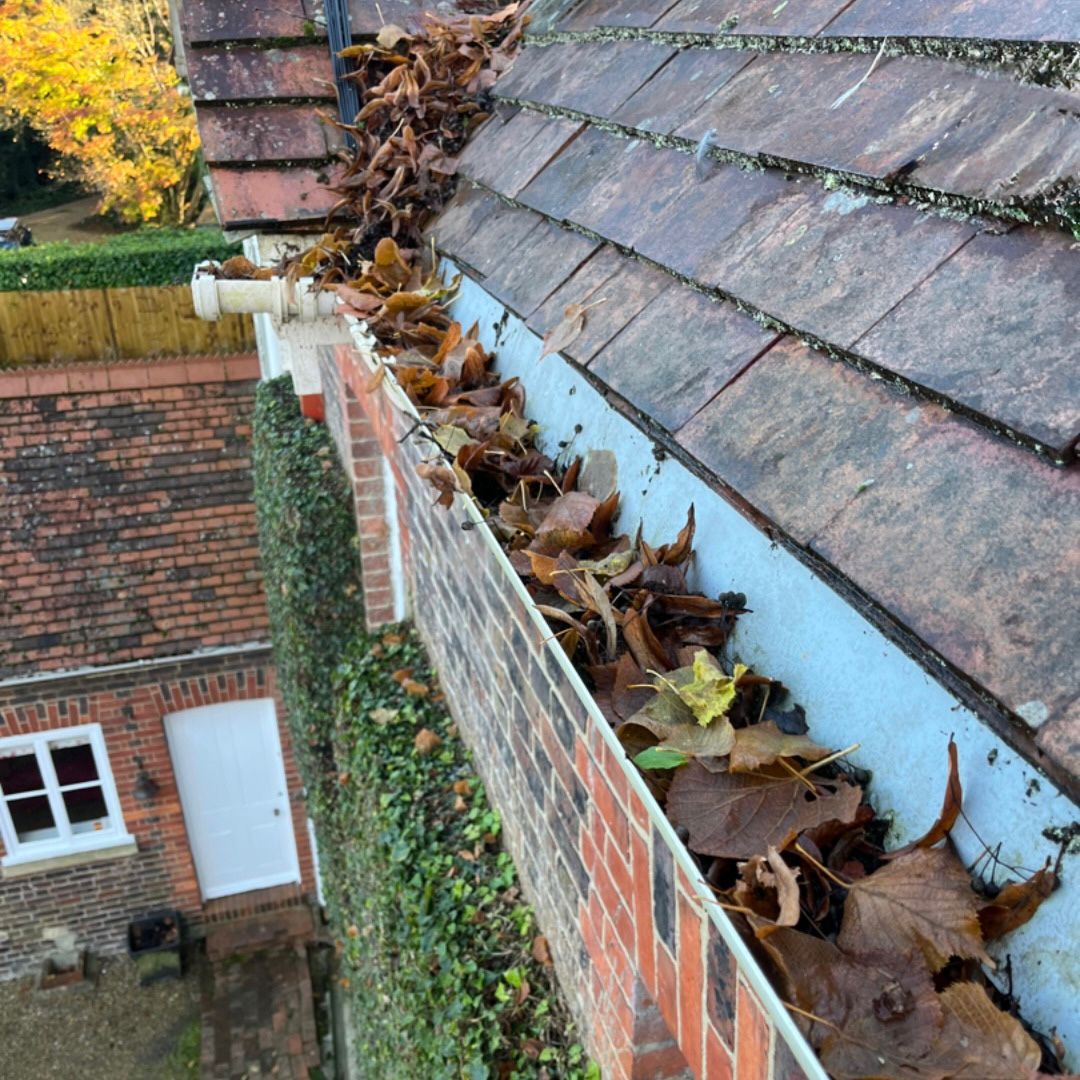
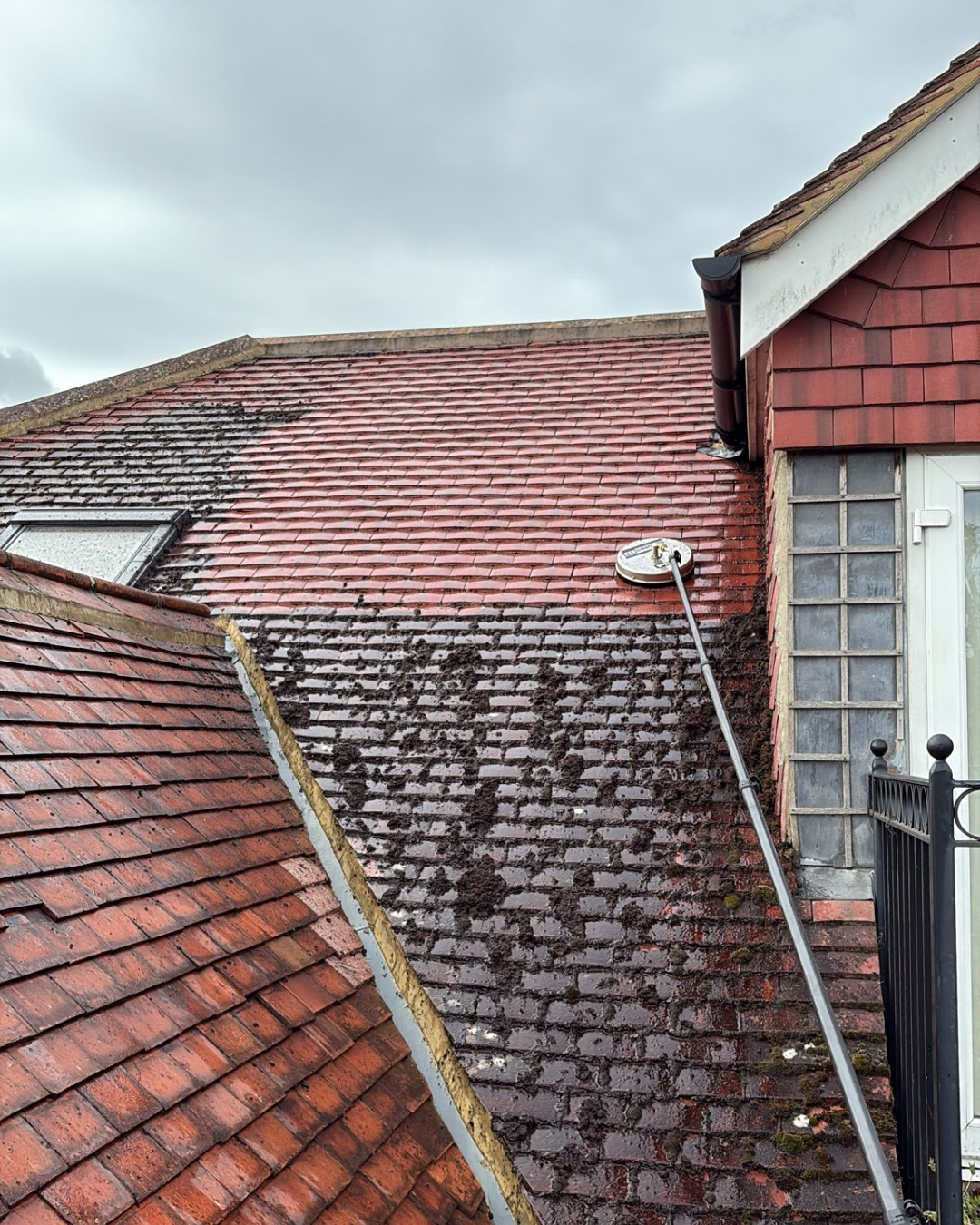
- Roof maintenance: Neglecting minor problems such as loose tiles, damaged flashing, or blocked gutters can allow water to enter the roof structure and cause more extensive damage.
- Roof pitch and drainage: Roofs with inadequate drainage may experience water pooling or moisture build-up, increasing the risk of deterioration, particularly on flat roofs.
- Surrounding environment: Properties surrounded by trees may experience greater moss growth and debris accumulation, while coastal locations can expose roofing materials to salt and stronger winds.
What Are the Signs Your Roof Needs Replacing?
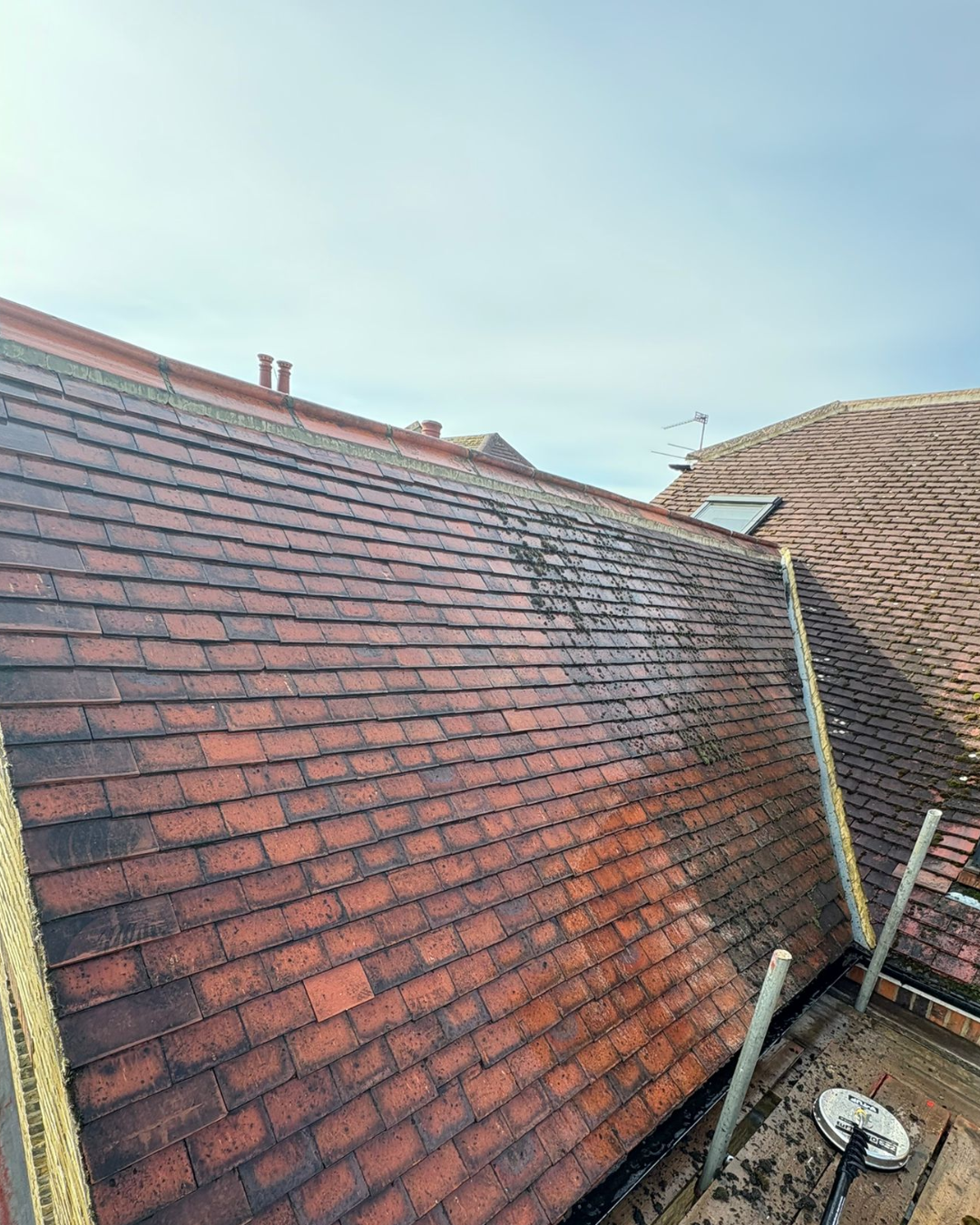
As a roof gets older, it’s important to look out for signs of deterioration. Some problems can be resolved through relatively straightforward repairs, while others may indicate that the roof is approaching the end of its useful lifespan.
- Missing or broken tiles: Cracked, slipped, or missing tiles can expose the underlying roof structure to rainwater and increase the risk of leaks.
- Recurring roof leaks: Persistent leaks or repeated water ingress may indicate that the roofing materials or underlying structure are deteriorating.
- Sagging roofline: A visibly uneven or sagging roof could indicate structural problems that require urgent professional attention.
- Damaged flashing: Loose or deteriorating flashing around chimneys, roof joints, and other openings can allow water to penetrate the roof.
- Widespread deterioration: Extensive cracking, weathering, or damaged roofing materials may suggest that the roof is nearing the end of its lifespan.
- Damp patches in the loft: Water stains, mould, or damp insulation can indicate that the roof is no longer providing adequate protection against moisture.
It’s worth remembering that the presence of one or two damaged tiles doesn’t necessarily mean the entire roof needs replacing. A professional inspection can help establish the extent of the damage and whether repairs are likely to be sufficient.
Should You Repair or Replace an Old Roof?
If your roof is getting older, you may question whether it’s worth repairing existing damage or investing in a complete replacement. The answer depends on the overall condition of the roof, the extent of the damage, and the expected lifespan of the remaining materials.
If the majority of the roof is still in good condition and the problems are limited to a few damaged tiles or sections of flashing, repairs will often be the most practical option.
However, if the roof has widespread deterioration, recurring leaks, or underlying structural problems, a full replacement may offer better long-term value. Continually repairing an ageing roof can become expensive, particularly if new problems keep appearing.
A professional roof inspection from Sam’s Gutters & Roofs is the best way to understand what work is needed. Our experienced roofers can assess the condition of the materials, identify any underlying issues, and recommend whether repairs or replacement are more appropriate.
Professional Roofing Services Across London & the Home Counties
Sam’s Gutters & Roofs provides professional roofing services in London and across the Home Counties, with over 15 years of industry experience. Our fully accredited and insured roofers work on a wide range of residential roofing projects, providing reliable workmanship and advice tailored to your property.
We’re also SafeContractor accredited, giving homeowners additional reassurance when arranging roofing work. We provide free quotations, and every full gutter clear also includes a free roof inspection, helping you identify potential problems before they become more costly.
If you’re concerned about your roof’s condition or want advice on repairs or replacement, contact Sam’s Gutters & Roofs today to arrange a free quotation.