After weeks of sunshine and dry weather, we’ve finally had something Brits can talk about again… rain. It might only have been a few showers, but it’s a little reminder that autumn isn’t far away.
In fact, a little rain after a long dry spell can be useful. It’s often the first chance to spot gutters that are overflowing, joints that are dripping, or areas of the roof that might need some attention.
As we head towards autumn, falling leaves, heavier rainfall, and stronger winds will put roofs and guttering under much more pressure. Whether it’s your home, a rental property, school, office, warehouse, or other commercial building, now is a good time to know what to look out for. And if you’re not quite sure what you should be looking for, don’t worry, that’s exactly what this blog is here for!
Key Takeaways
- Autumn puts extra pressure on gutters and roofs: Falling leaves, heavier rain, moss, and stronger winds can quickly expose existing problems or cause new blockages and damage.
- Look beyond your gutters: Downpipes, roof valleys, gullies, roof tiles, flashing, and flat roof drainage points can all affect how effectively rainwater is carried away.
- A pre-autumn check can prevent bigger problems: Clearing gutters and checking your roof before the worst of the weather arrives can help identify blockages, leaks, damage, and areas that may need attention. If your property needs a pre-autumn check, get in touch with Sam’s Gutters & Roofs today.
Why Autumn Can Be Hard on Your Gutters
Autumn brings two things that gutters aren’t particularly fond of… lots of leaves and lots of rain.
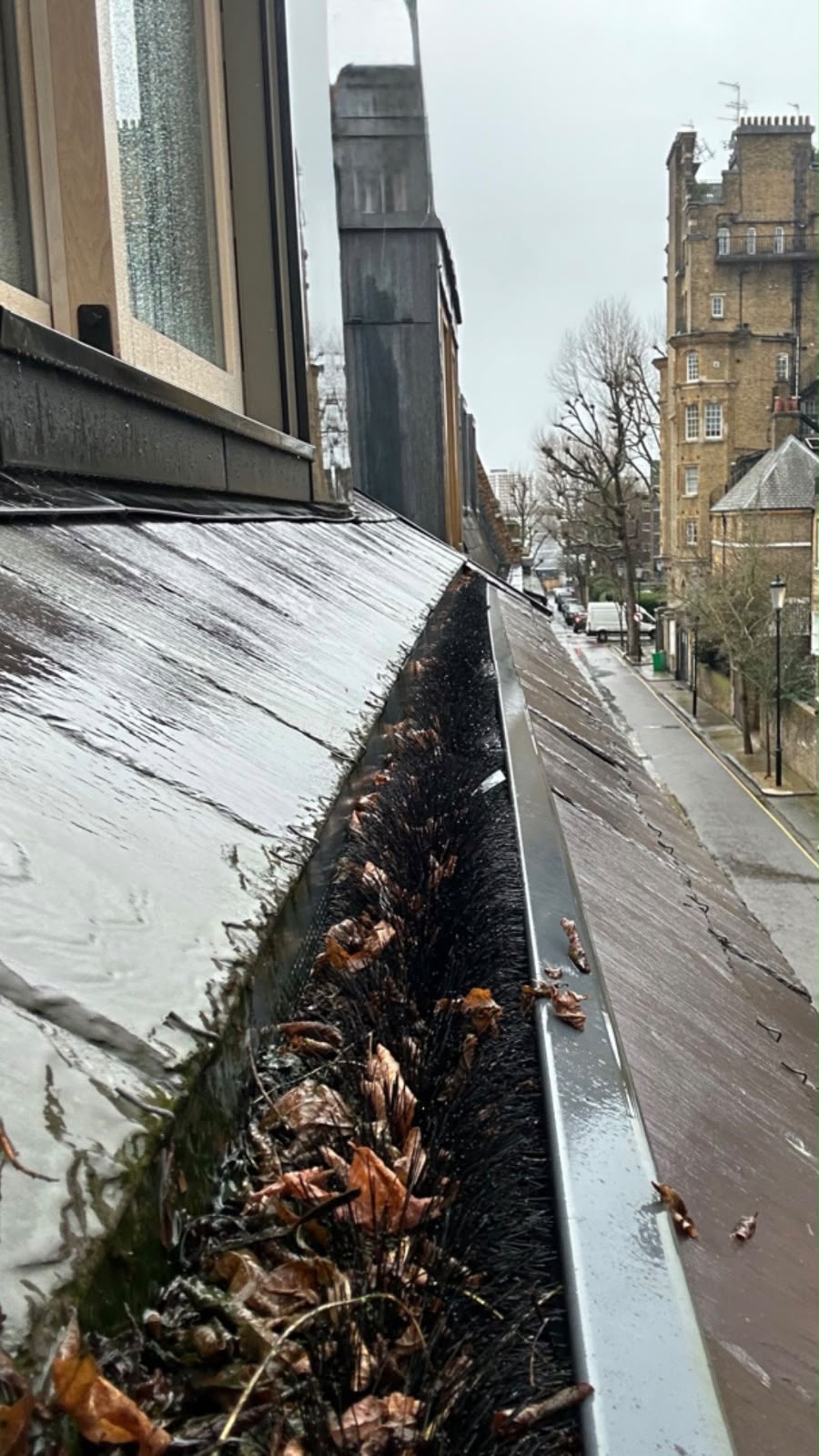
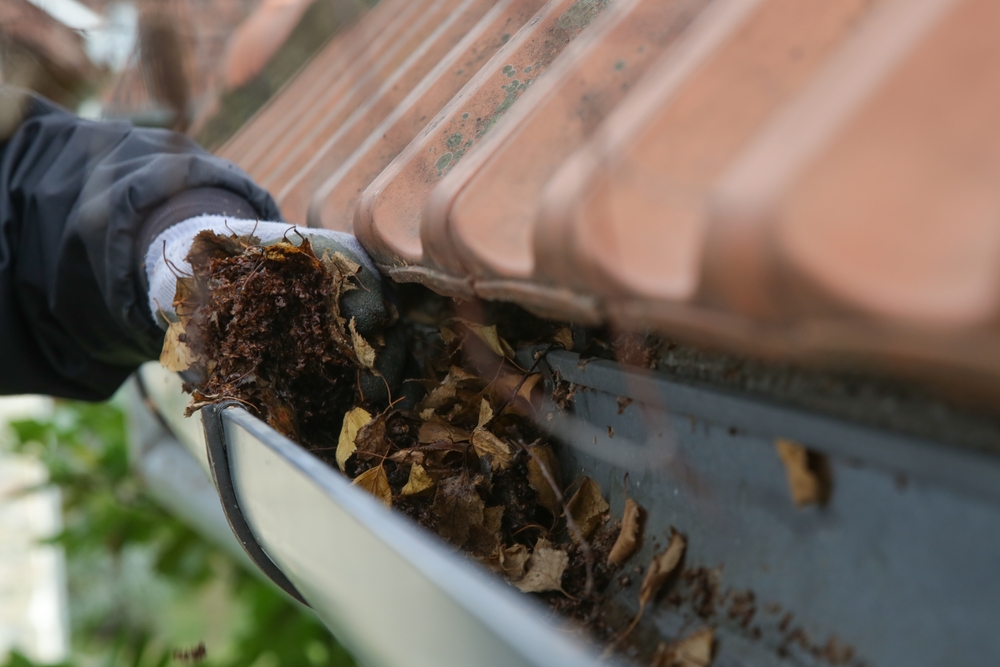
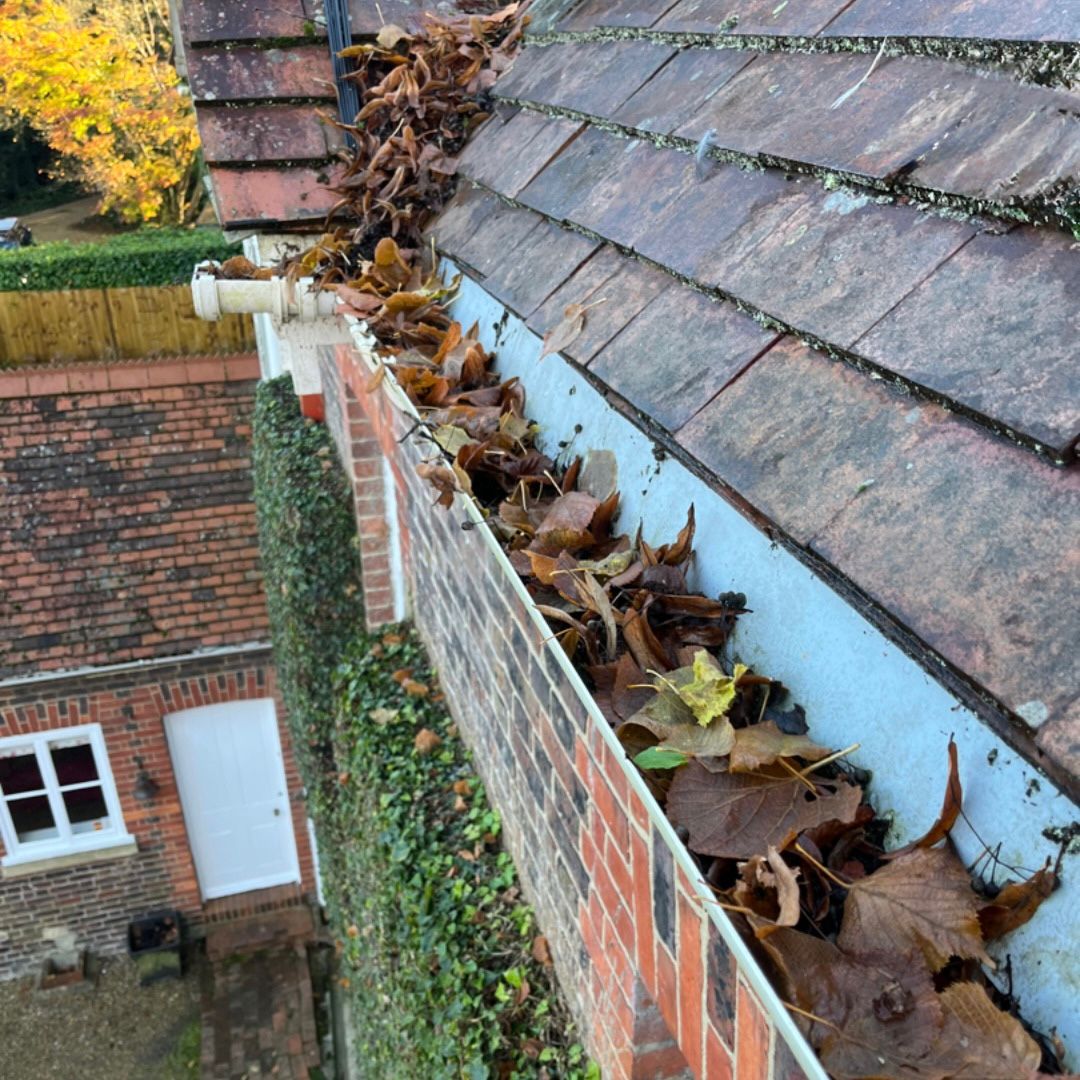
Leaves can quickly collect in gutters, particularly on properties surrounded by trees. Add moss, twigs, and dirt (lost tennis balls) that may already be sitting in there.
Once a gutter becomes blocked, water can start overflowing rather than travelling through the gutter and safely down the downpipe.
You might notice water running down the outside of the building, dripping from places it shouldn’t or spilling over the edge of the gutter every time it rains.
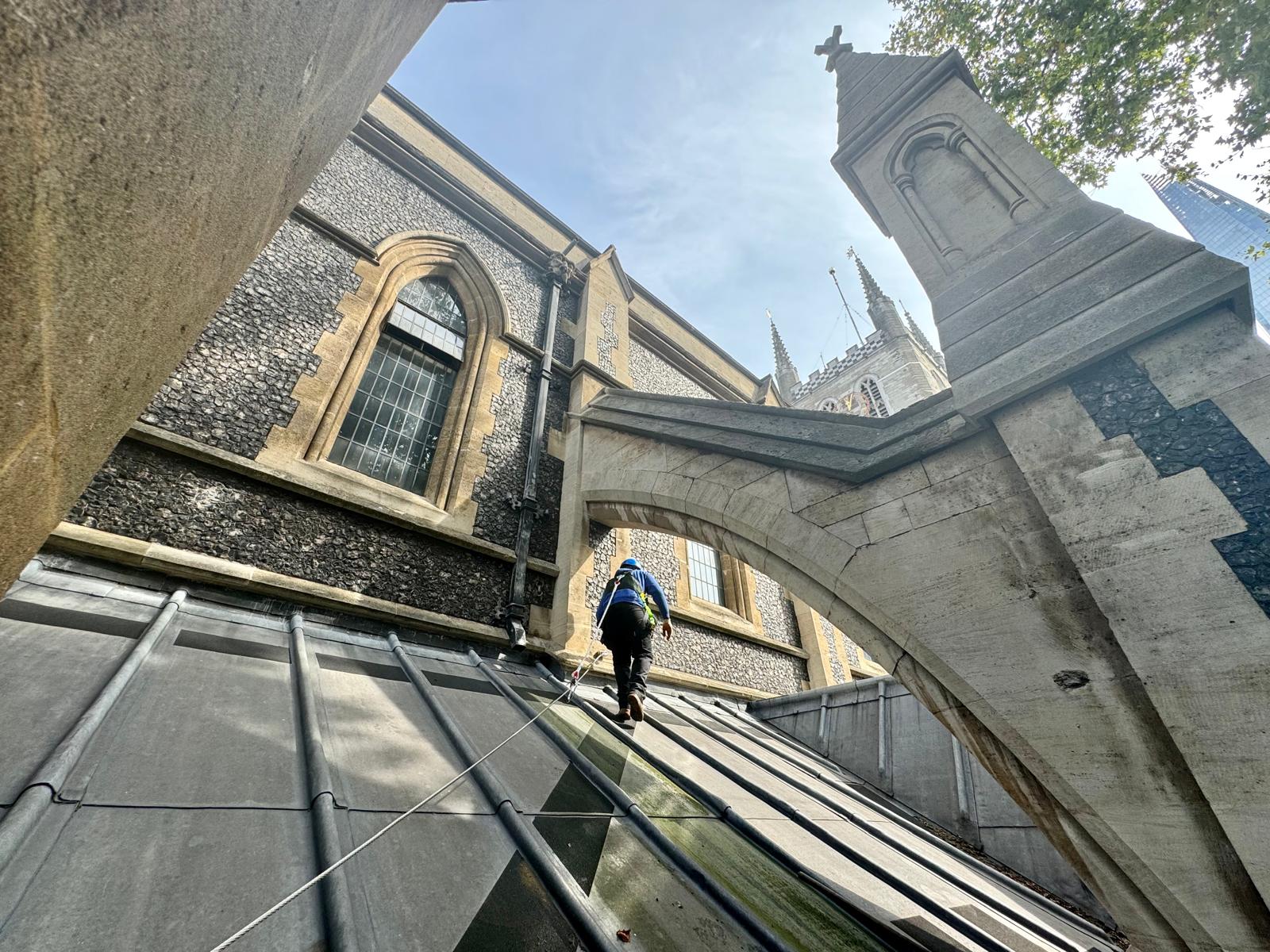
For commercial properties, the problem can be even more noticeable. Schools, warehouses, offices, blocks of flats, and other larger buildings can have substantial roof areas, meaning their guttering has a lot more rainwater to deal with.
Did You Know? We can actually access gutters on buildings up to four storeys high using our specialist ladders, provided there’s clear, safe access and it’s safe for our technicians to do so. This means even those hard-to-reach gutters might not be quite as out of reach as you think!
Leaves Aren’t the Only Thing Blocking Your Gutters
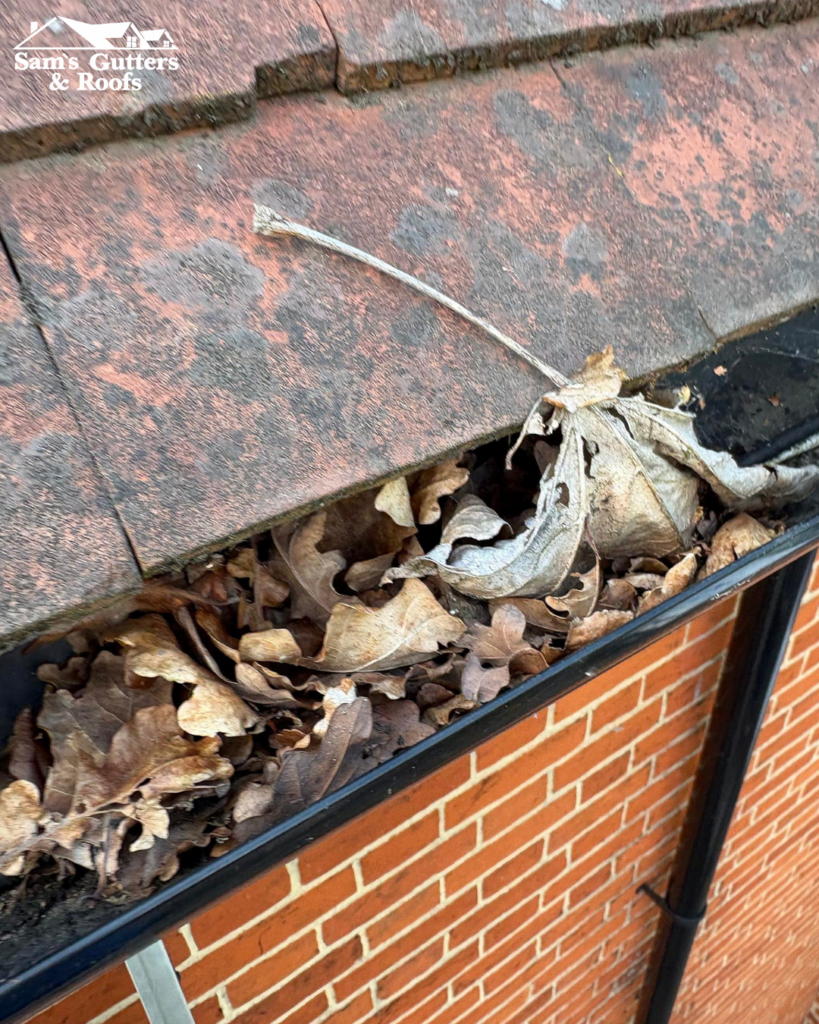
Leaves get most of the blame in autumn, but moss, twigs, and dirt aren’t the only things we find. Over the years, our technicians have discovered tennis balls, frisbees, and even a corn on the cob. We’re still not entirely sure how that last one got there.
Whatever ends up in there, it can restrict the flow of rainwater and cause a blockage. If your gutter is starting to resemble a lost property box, or a vegetable patch, it’s probably time for a clear.
Don’t Forget Your Downpipes
A clear gutter is only half the job; the water still needs somewhere to go. Leaves, moss, and debris can block downpipes, causing water to back up and overflow, often around the same section of gutter each time it rains.
At Sam’s Gutters & Roofs, we can clear gutters and investigate and unblock downpipes to get the water flowing properly again.
What About Roof Valleys and Gullies?
Gutters and downpipes aren’t the only places responsible for moving rainwater away from your roof.
Roof valleys are the channels formed where two sloping sections of roof meet. Because rainwater from both sides of the roof is directed towards them, valleys have an important job to do.
Gullies perform a similar role, directing water towards the appropriate outlet.
During autumn, leaves, moss, and debris can collect in these areas and restrict the flow of water. If water can’t drain away properly, it can back up and find its way into areas where it shouldn’t.
This is particularly important on larger or more complicated roofs where there may be several valleys, gullies, and drainage points.
What Happens to Roof Moss in Autumn?
Moss might look harmless, but autumn weather can make it more noticeable.
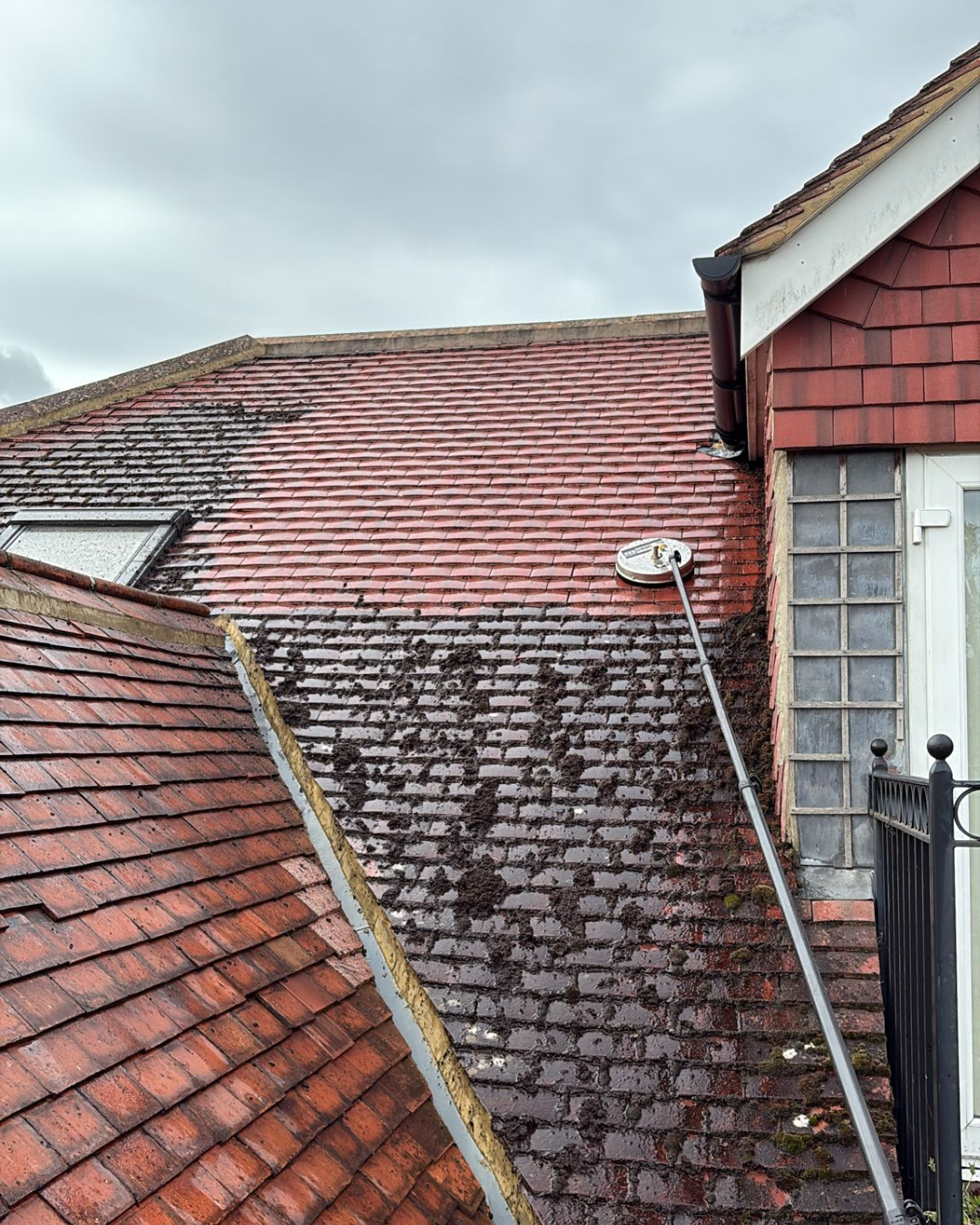
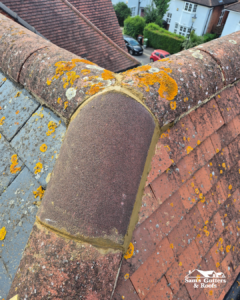
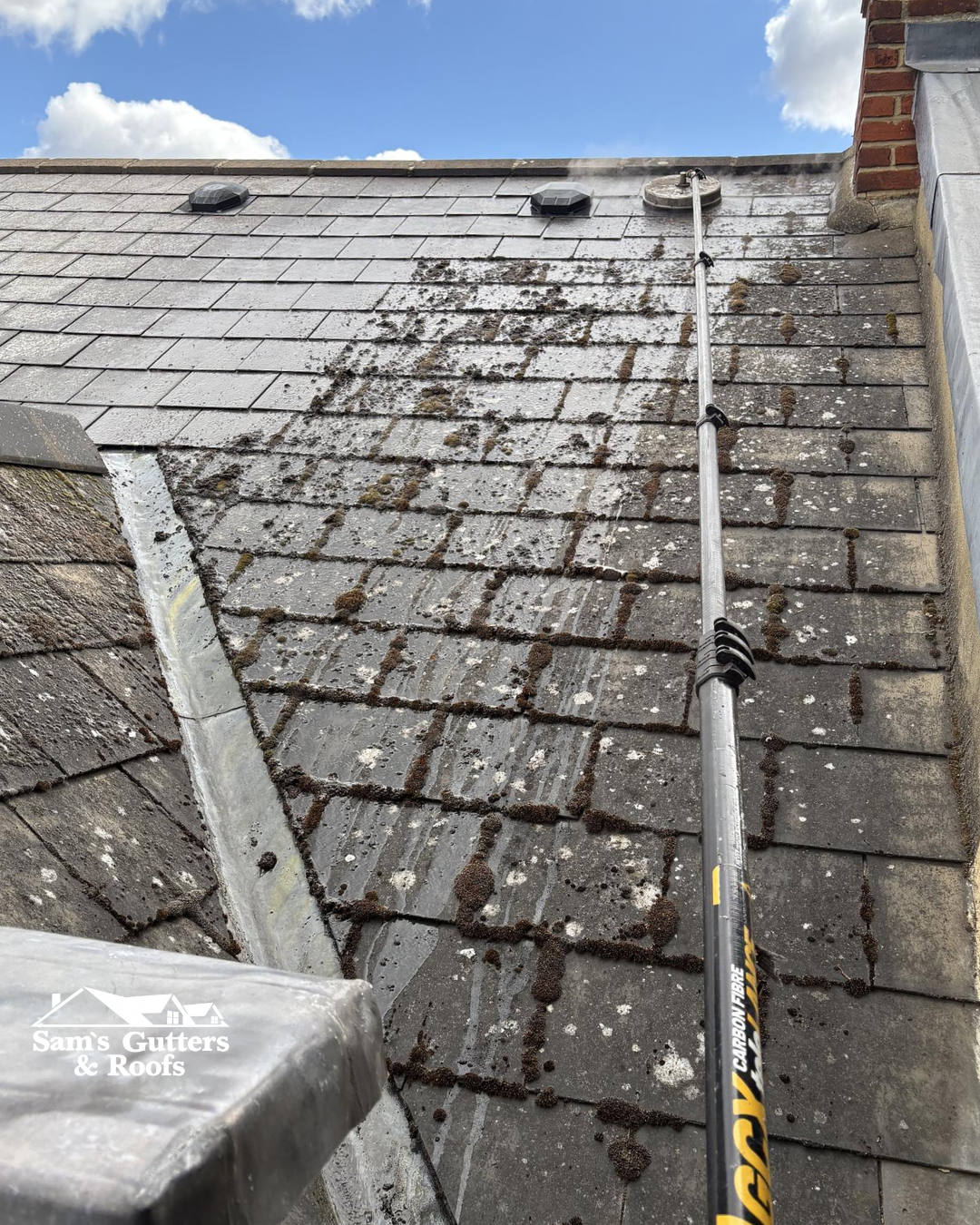
As conditions become wetter, moss can hold moisture. Loose pieces can also break away and travel down the roof with the rainwater, eventually ending up in your gutters and downpipes.
If there’s a substantial amount of moss on the roof, this can mean gutters become blocked quicker.
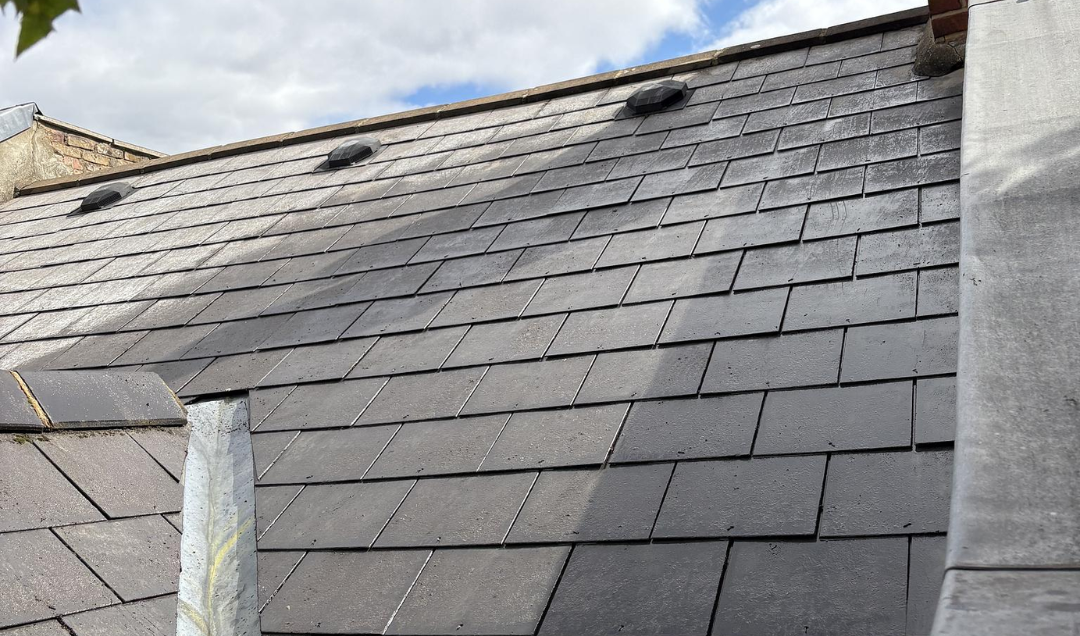
Professional roof cleaning in London can remove built-up moss, dirt, and grime from the roof as well as giving the property a cleaner appearance.
Also read: What Happens If I Don’t Clean My Roof?
Autumn Wind Can Highlight Roof Problems Too
Rain isn’t the only change autumn brings.
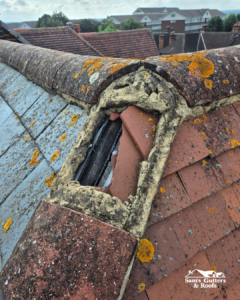
Stronger winds can expose problems with roof tiles and other parts of the roof that may have gone unnoticed during the calmer summer months.
From ground level, keep an eye out for things such as:
- Slipped or missing roof tiles
- Broken or cracked tiles
- Loose materials around the roof
- Visible problems around the chimney
- Damaged or loose flashing
- Deteriorated pointing
You don’t need, and shouldn’t attempt, to climb onto your roof to check it yourself. Many warning signs can be spotted from ground level, while anything that isn’t visible can be checked safely by a professional roofer.
Pitched Roofs and Flat Roofs Face Different Autumn Problems
Pitched and flat roofs can face different problems in autumn.
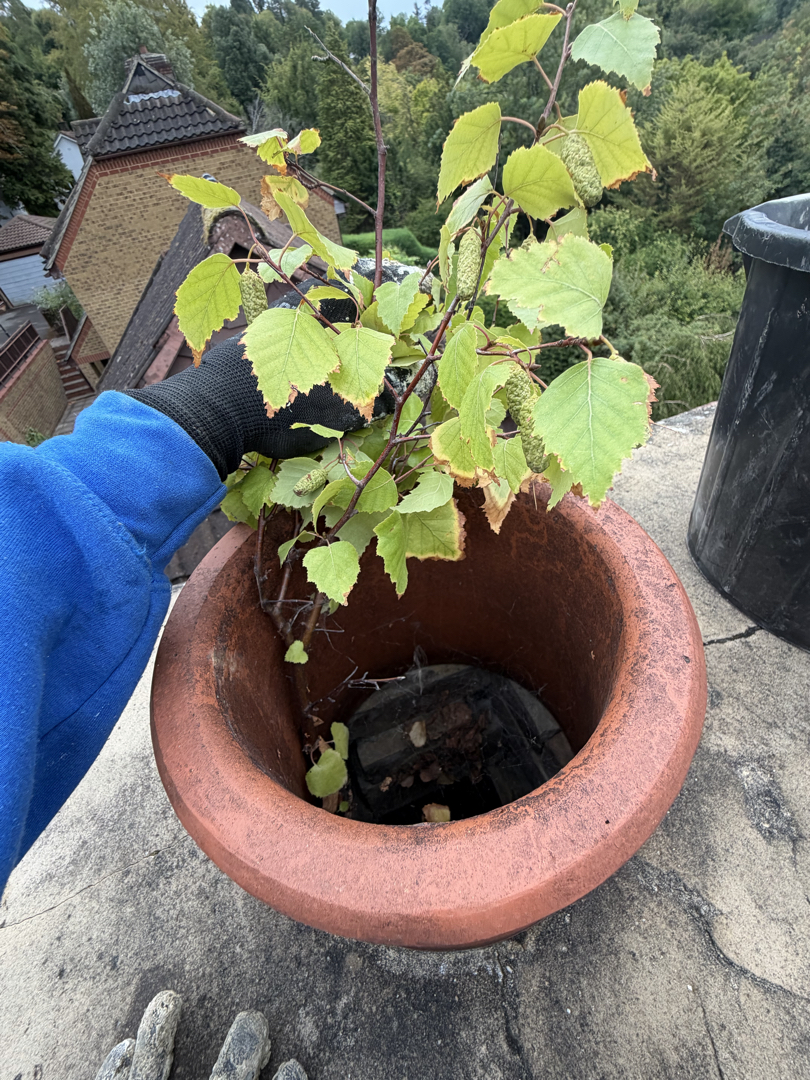
On pitched roofs, leaves and moss usually make their way towards the gutters but can collect around valleys and chimneys.
On flat roofs, debris can gather around outlets, restricting drainage and causing water to pool. This is particularly important on larger commercial roofs with multiple drainage points, but the same can happen on residential extensions, garages, and outbuildings.
If you can safely see your flat roof, keep an eye out for built-up debris or standing water.
uPVC and Cast Iron Gutters: What Should You Look For?
Different types of guttering can show different signs of wear.
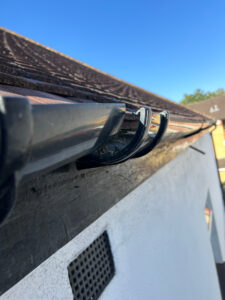
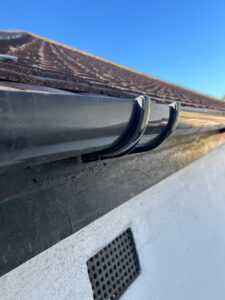
With uPVC guttering, leaking joints are relatively common, and sections can sometimes sag or move out of position. Seals and fittings can also deteriorate over time.
Older cast iron guttering can suffer from corrosion, cracking, and deterioration. Repairs can also be more difficult than with uPVC, and heavily corroded or cracked sections may require specialist repair or replacement.
Whichever type of guttering you have, these issues shouldn’t be ignored.
Next Time It Rains, Go Outside and Look Up
The small showers we’ve had this week may already have given you a chance to see how your gutters are coping.
You don’t need torrential rain to spot some of the most common gutter problems. Next time it rains, have a quick look from ground level.
Look for:
- Water spilling over the edge of the gutter
- Dripping or leaking gutter joints
- Water running down external walls
- Gutters sagging or bowing
- Water backing up around an outlet
- Downpipes that don’t appear to be draining properly
- Damp patches appearing inside your property
If everything is flowing freely, great. If water is appearing somewhere it shouldn’t, it’s worth finding out why.
Homes and Commercial Buildings: Same Rain, Very Different Roofs
The basic job of a roof and guttering system is the same whether it’s protecting a two-bedroom terrace or a large warehouse. The scale, however, can be very different.
A commercial building may have extensive roof areas, long gutter runs, multiple downpipes and outlets, flat roof sections, and drainage points that aren’t visible from ground level.
Schools, offices, warehouses, retail premises, blocks of flats, and other commercial properties may also require specialist access to safely reach certain areas.
At Sam’s Gutters & Roofs, we work on both residential and commercial properties, using the appropriate access equipment for the building and the work required.
Give Your Gutters a Clear Before the Leaves Start Falling
If you can’t remember the last time your gutters were cleared, late summer and early autumn are good times to think about it.
Our technicians clear gutters by hand wherever access allows, physically removing the leaves, moss, and debris that have built up inside.
With our standard full gutter clear carried out by hand, we’ll also carry out a free visual roof inspection while we’re there. As experienced roofers, our technicians can look for obvious problems with the roof and let you know if they spot anything that may need attention.
For gutters that can’t be safely accessed by hand, we can also use our SkyVac system where appropriate.
Additionally, for larger commercial properties, we offer commercial gutter cleaning in London and roof services, with suitable access methods depending on the height and layout of the building.
Also read: Common Commercial Roofing Problems and What Causes Them
Get Your Property Autumn-Ready With Sam’s Gutters
There’s no need to panic at the first sign of a falling leaf, but autumn does give your roof and gutters considerably more work to do.
At Sam’s Gutters & Roofs, we provide gutter clearing, gutter repairs and replacement, downpipe unblocking, roof repairs, roof cleaning, flat roof work, and a range of commercial roof and gutter services in London and the South-East.
Whether it’s your home or a commercial property, our team can help get your roof and guttering ready for the months ahead.
Get in touch with Sam’s Gutters & Roofs for a free, no-obligation quote on any of our services!