Flashing, pointing, and rendering repairs are among the most common roofing issues homeowners ask about, especially when they start noticing leaks, cracks, or signs of dampness.
This guide answers the most frequently asked questions about how these repairs work, what causes them to fail, and when they need attention. It also explains the warning signs to look out for and what you can expect in terms of repair and maintenance, helping you make informed decisions about protecting your property.
Roof Flashing FAQs
What is roof flashing and why is it important?
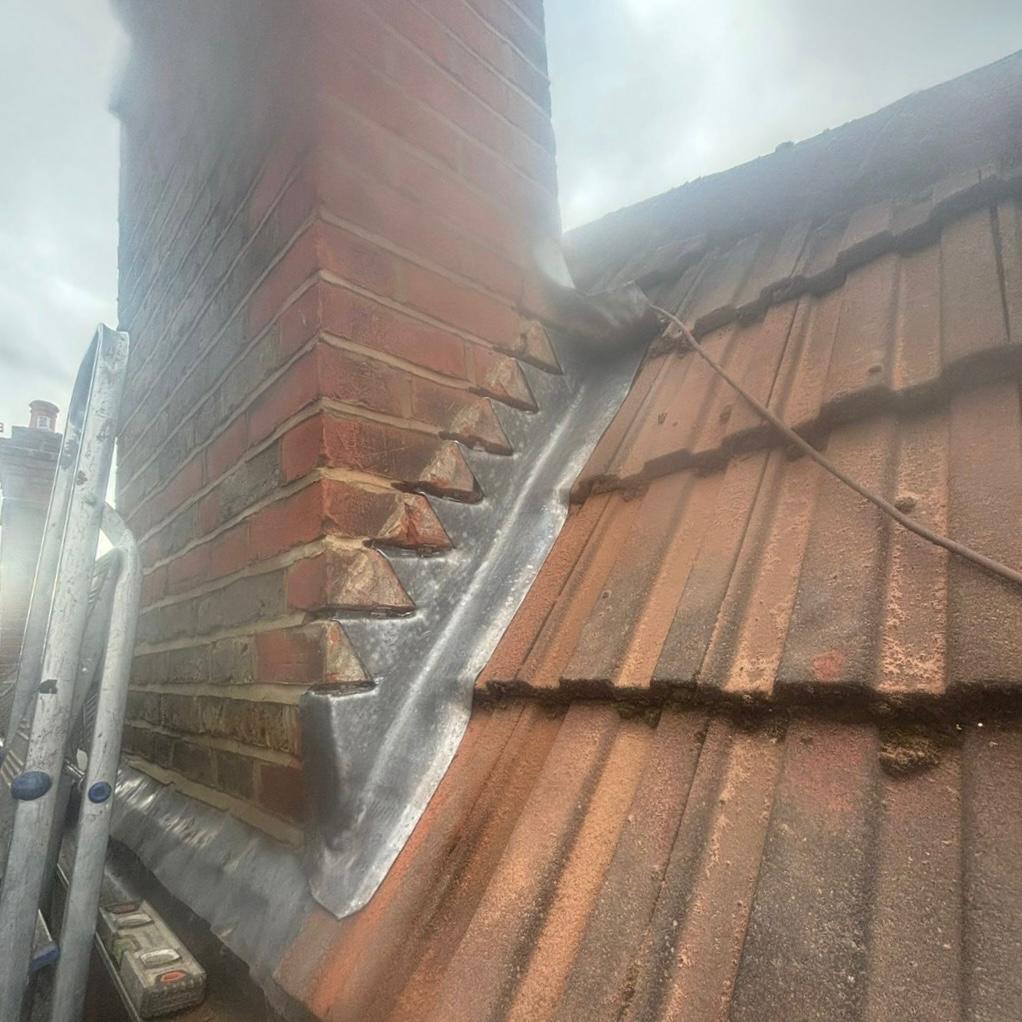
Roof flashing is a protective material installed in vulnerable roof areas to direct water away from joints and intersections. It is commonly fitted around chimneys, valleys, skylights, and where different roof sections meet. Its main purpose is to prevent water ingress and protect the roof structure from damp and long-term damage.
Where is roof flashing commonly installed?
Roof flashing is typically installed around chimneys, roof valleys, dormers, skylights, and abutments where the roof meets a wall. These are the most leak-prone areas of a roof, so flashing provides a watertight barrier that helps maintain structural integrity.
What are the signs that roof flashing needs repair?
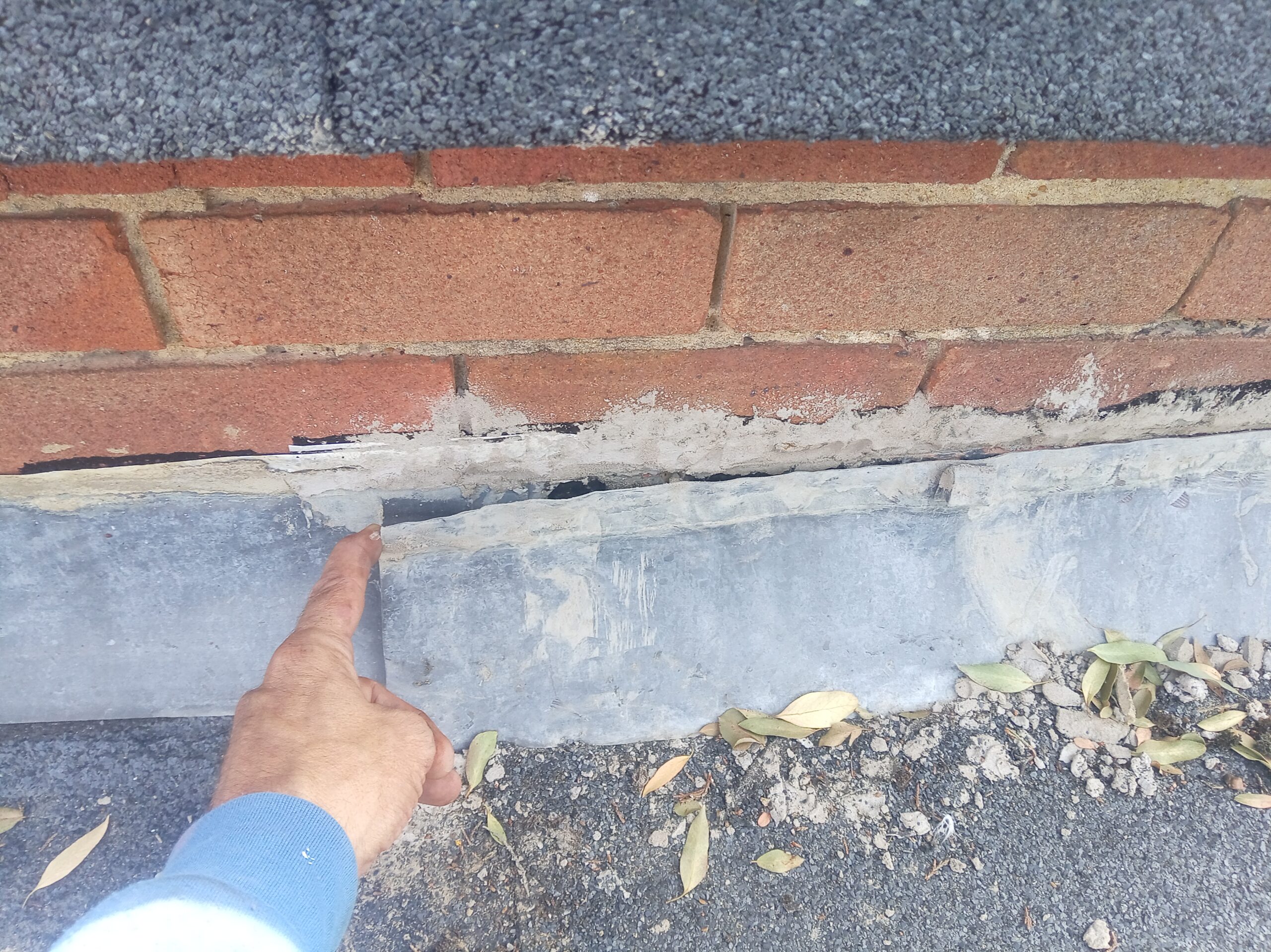
Common signs include lifted or loose flashing, visible corrosion, cracked seals, or water staining inside the property. Damp patches on ceilings or upper walls can also indicate that flashing has failed and water is entering the roof space.
Can damaged roof flashing cause roof leaks?
Yes, damaged flashing is a frequent cause of roof leaks. Even small gaps or cracks can allow water to penetrate beneath roof coverings, especially during heavy rainfall. If left untreated, this can lead to internal damp and structural deterioration.
How long does roof flashing typically last?
The lifespan of roof flashing depends on the material and exposure to weather conditions. Lead flashing can last several decades when properly installed, while other materials may degrade sooner. Regular maintenance helps extend its lifespan and reduce the risk of failure.
Is roof flashing a major repair?
It can range from a minor repair to a more significant job, depending on the extent of the damage. Small sections may be repaired, but widespread deterioration often requires full replacement to ensure long-term protection.
Can roof flashing be repaired without replacing the whole roof?
Yes, roof flashing can usually be repaired or replaced independently of the main roof covering. In many cases, targeted repairs are enough to resolve leaks without the need for a full roof replacement.
Does insurance cover damaged roof flashing?
Cover depends on the policy and cause of damage. Storm-related damage may be included in some policies, while wear and tear is typically excluded. It is important to check specific policy terms before arranging repairs.
Roof Pointing FAQs
What is roof pointing, and why is it necessary?
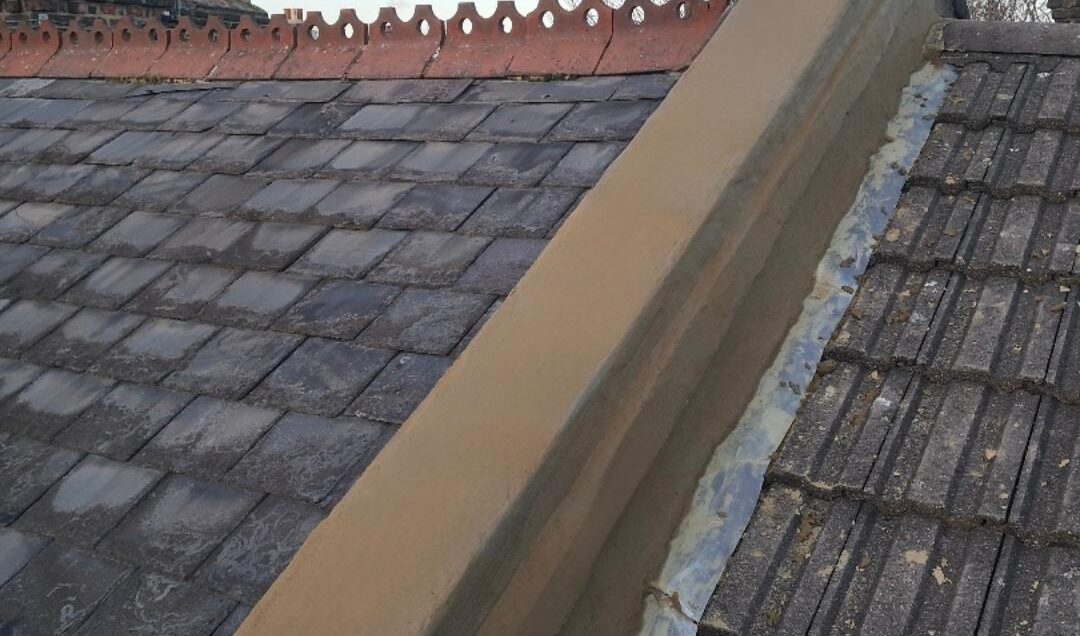
Roof pointing is the external mortar layer that secures ridge tiles in place and seals gaps against weather exposure. It helps stabilise the roof structure and prevents water from entering beneath the ridge tiles.
How do you know if roof pointing needs replacing?
Signs include cracked mortar, loose ridge tiles, or visible gaps along the roof ridge. Falling debris in gutters or on the ground is another common indicator that pointing is failing.
What causes roof pointing to crack or fail?
Weather exposure, age, structural movement, and poor initial workmanship are common causes. Over time, freeze-thaw cycles and wind pressure can weaken the mortar and lead to cracking or detachment.
Is cracked roof pointing dangerous?
Yes, cracked roof pointing can become a serious issue if ignored. It may allow water to enter beneath ridge tiles and can also lead to instability in the roof structure, increasing the risk of dislodged tiles during high winds.
How urgent is roof pointing repair?
Roof pointing repairs should be treated as a priority once damage is identified. Small cracks can worsen quickly, especially in wet or windy conditions, leading to more extensive and costly roof repairs.
Does repointing a roof stop leaks?
Yes, repointing can stop leaks when the issue is caused by failed or cracked mortar around ridge tiles. It restores the weatherproof seal and helps prevent further water ingress.
What is the difference between roof bedding and roof pointing?
Roof bedding is the base mortar that secures ridge tiles in position, while roof pointing is the protective layer applied over the bedding. Both work together to stabilise and weatherproof the ridge line.
How much does roof pointing repair cost?
Costs vary depending on roof size, access, and the extent of the damage. Minor repairs are generally more affordable, while full ridge repointing will cost more. A professional inspection is needed for an accurate quotation.
Can you repair roof pointing yourself?
Roof pointing repairs should not be attempted without professional experience. Working at height is hazardous, and incorrect repairs can lead to further damage or instability. A specialist such as Sam’s Roofs & Gutters is recommended to ensure safe and effective repairs.
Can loose ridge tiles be caused by failed pointing?
Yes, deteriorated pointing is a common cause of loose or unstable ridge tiles. Once the mortar weakens, tiles can shift, creating gaps that allow water ingress and wind uplift.
How long does roof pointing last?
The lifespan of roof pointing depends on the materials used, workmanship, and exposure to weather. It can last many years, but regular inspections are recommended to identify early signs of wear.
Roof Rendering FAQs
What is roof rendering and why is it used?
Roof rendering is a protective coating applied to exposed roof edges, parapet walls, or masonry areas. It improves weather resistance, strengthens surfaces, and enhances the appearance of the roofline.
Why is my roof render cracking?
Cracking can occur due to exposure to weather, structural movement, age, or poor application. Freeze-thaw cycles and moisture penetration can also cause rendered surfaces to deteriorate over time.
How does roof rendering help protect your property?
Roof rendering helps seal exposed surfaces against rain and moisture, reducing the risk of damp and water ingress. It also protects masonry from frost damage and general weathering.
What is the difference between roof pointing and roof rendering?
Roof pointing secures ridge tiles using mortar, while roof rendering is applied to external surfaces such as parapet walls or roof edges. They serve different purposes, but both contribute to weather protection.
Can roof rendering be patched or does it need full replacement?
Small cracks or localised damage can often be patched if caught early. However, widespread deterioration or hollow sections usually require full re-rendering to ensure long-term protection and durability.
Can cracked roof rendering cause damp?
Yes, cracked rendering can allow moisture to penetrate underlying masonry, leading to damp patches inside the property. Prompt repair helps prevent further structural damage.
How much does roof rendering cost?
Costs depend on the size of the area, the condition of the surface, and the type of repair required. Minor patching is less expensive than full re-rendering, which is needed for more extensive damage.
Flashing, Pointing, & Rendering Repairs from Sam’s Roofs & Gutters
Flashing, pointing, and rendering problems can quickly lead to leaks, dampness, and long-term structural damage if they are not addressed. Sam’s Roofs & Gutters provides expert roof repair and replacement services designed to protect your home from weather damage and restore the integrity of your roof and external masonry.
We inspect, repair, and replace damaged flashing, repoint ridge tiles and brickwork, and restore failed rendering using high-quality materials built for long-lasting protection. Every job is completed with care, precision, and a focus on durability.
- Free site visit to inspect flashing, pointing, or rendering damage
- Clear, no-obligation quotation with no hidden costs
- Professional repairs using high-quality, durable materials
- Full inspection with honest, practical advice
- Work carried out to restore long-term protection against leaks and damp
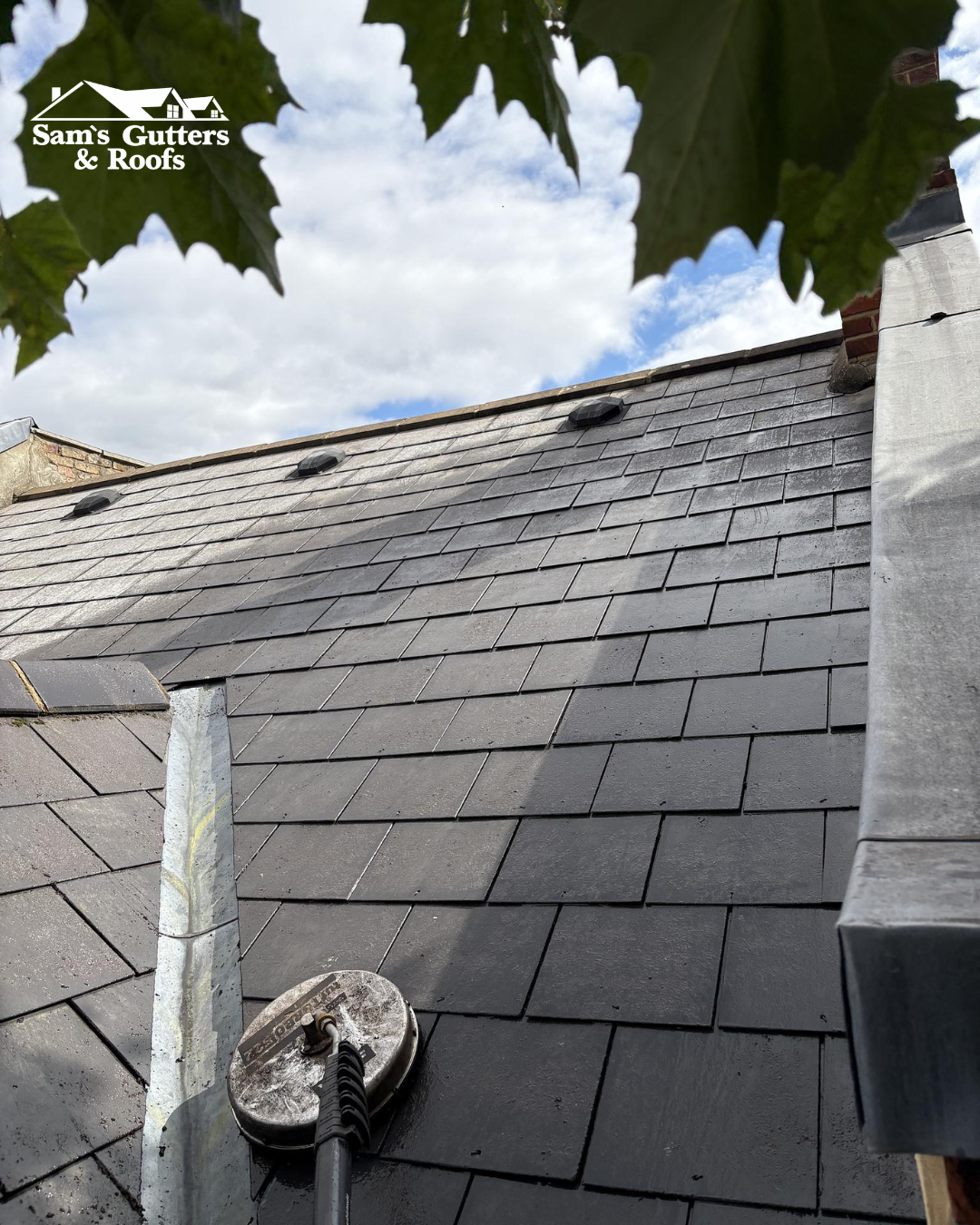
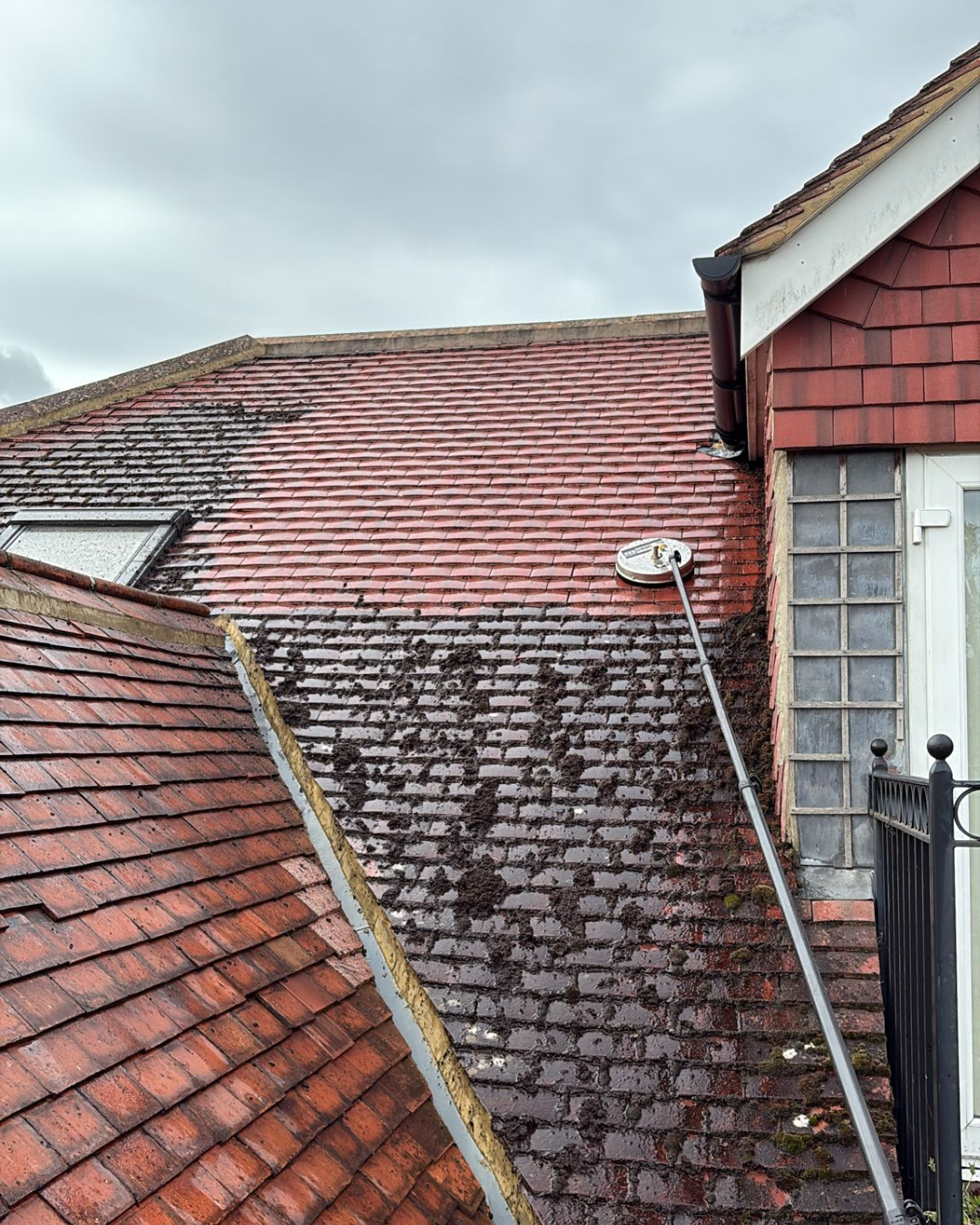
Alongside repair work, we also provide roof cleaning in London to help maintain the appearance and condition of your roof while preventing moss, debris, and water damage buildup.
Contact our team today to arrange an inspection and protect your property from further damage.